Tag Archives: podcast

Bringing our friends to Christ

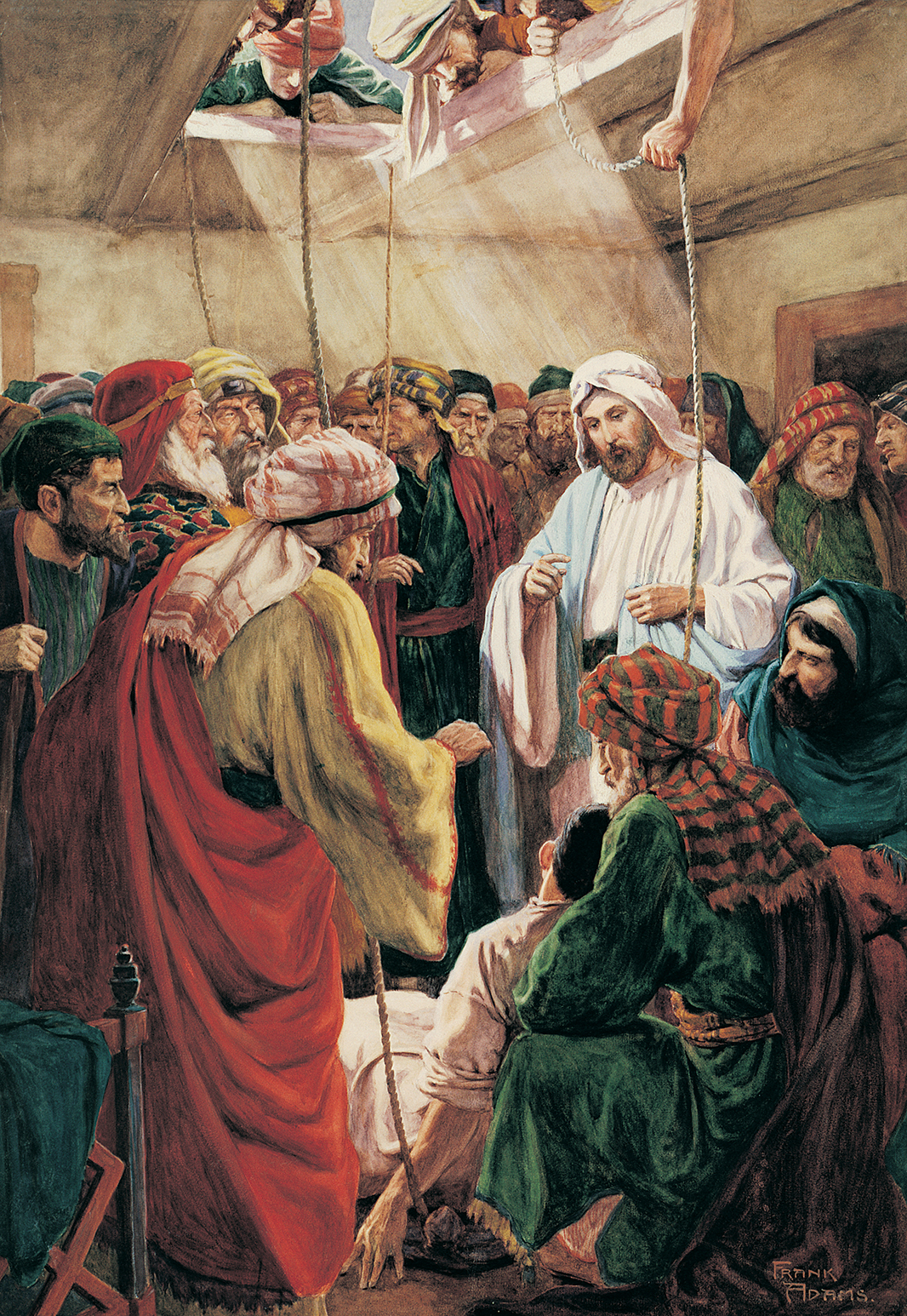
A paralytic is lowered through the roof by his friends for Jesus to cure him.

In his Gospel St Luke relates how the friends of a paralytic went to great lengths to take him to Christ, going onto the roof of the house and lowering him down through the opening they had made. We too should do all we can to bring our friends and relatives to Christ. In this meditation we use texts of Scripture, St John Chrysostom and St Josemaria to consider how:

  • Christ wants all to be saved but he needs us to help him
  • For some of our friends and relatives, we are the only one in a position to help them find Christ
  • We can help them in various ways: explaining how important the faith is for us and for them, giving them an article or book to read, inviting them to a talk and, always, praying for them
Lessons from the Transfiguration

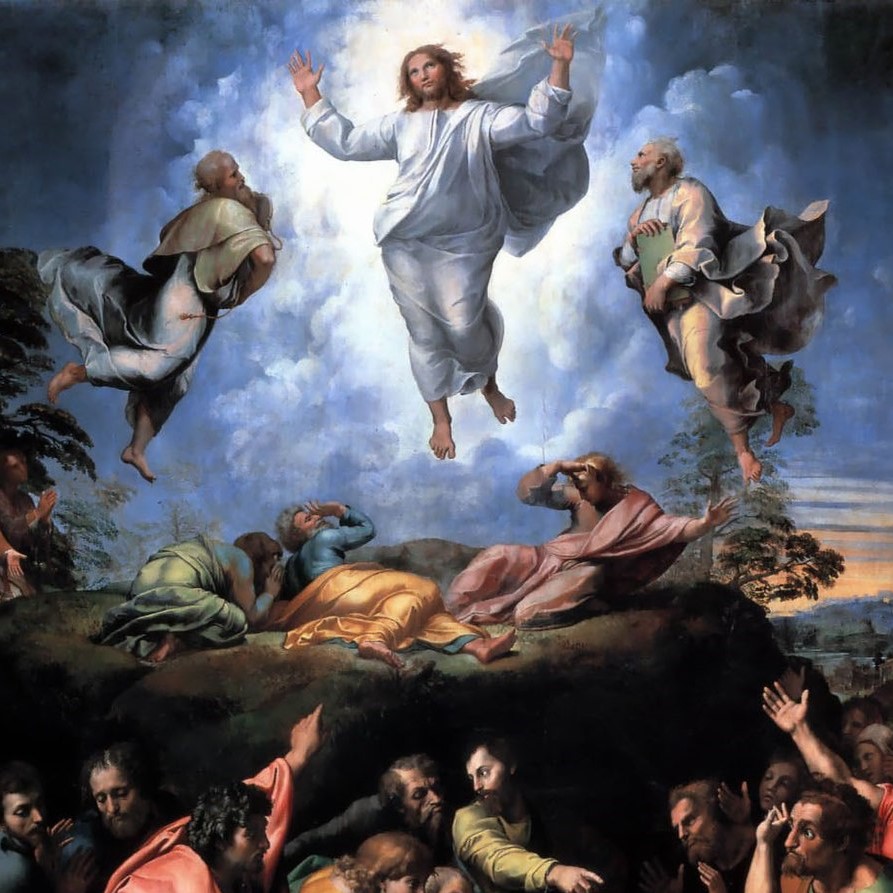
Transfiguration by Raphael

The Transfiguration of our Lord

Our Lord’s Transfiguration on Mount Tabor can teach us many lessons. In this meditation, we use passages from Scripture to consider some of them:

  • The climbing of the mountain calls to mind the difficulties in our own life in climbing the mountain of holiness
  • Seeing Christ transfigured in his divinity is a reminder that we too will see him transfigured in glory in heaven
  • This should spur us on to lift our thoughts above to the goal of life, especially when we are bogged down in the here and now
  • When Peter says “It is well for us to be here” we are reminded that we should often say the same thing, in good times and in bad
  • When the Father says, “This is my beloved Son with whom I am well pleased; listen to him” we should listen to Christ often:  in our prayer, in our conscience throughout the day, in the Scriptures, in Mass…
  • Like the apostles, we should share our faith with the many others who do not know Christ

You too have a vocation

We all have vocation

We tend to think that only priests and religious have a vocation. But we all have a calling from God, a vocation, to carry out a particular mission in life. In this meditation we use texts from Scripture, Pope Francis, St John Henry Newman and St Josemaria Escriva to consider how:

  • God has created every single person to fulfil a particular mission in the world
  • He has called each one of us from all eternity to carry out that task
  • Many great things depend on whether we fulfil that mission or not
  • Through fidelity to our vocation, we can help many people find God and make this world a better place

Love for Mary, our Mother

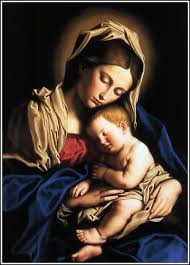
Our Blessed Mother with the child Jesus

Before he died on the Cross, Jesus said to St John and to all of us: “Behold your Mother.” Mary is truly the mother of everyone. In this meditation we use texts of Scripture, St Bernard and St Josemaria to consider how:

  • In conceiving Jesus in her womb, and later giving birth to him in Bethlehem, Mary became the mother of all the members of Christ’s Mystical Body, the Church
  • At Calvary Mary suffered unspeakably with Jesus for all mankind and this moves her to love us all the more
  • Mary draws sinners to Jesus
  • Mary exercises her motherly role with the apostles and with all of us
  • Mary intercedes for us before Jesus in a powerful way
  • We can take Mary into our own keeping and love her, as St John did, through the various Marian prayers and customs, especially the rosary

Lessons from the Cross

Jesus crucified

Our Lord, Jesus Christ, crucified.

Jesus’ passion and death teach us many lessons.  In this meditation we use texts from Scripture and St Thomas Aquinas to consider some of the many virtues Christ teaches us from the Cross:

  • Charity
  • Humility
  • Patience
  • Obedience
  • Fortitude
  • Perseverance
  • Joy

The sorrows and joys of St Joseph

Pope Gregory XVI, who was Pope from 1831 to 1846, instituted the custom of dedicating the seven Sundays preceding the feast of St Joseph on March 19 to that great saint, and of meditating especially on his seven sorrows and joys. In this meditation we use the Gospels of Matthew and Luke to consider these themes.

Prayer for the holy souls

A depiction of purgatory

November is the month in which the Church traditionally intensifies her prayers for the souls in Purgatory. But every day should be for us a day of prayer for the holy souls. There are many souls there now suffering greatly but at the same time exceedingly happy. In this meditation we use texts from Scripture, the Catechism and saints to consider how:

  • The holy souls suffer from the pains of sense, likened to fire, and of loss, of being deprived of union with God
  • The souls in Purgatory are happier than we are on earth, because they are assured of heaven and they love God more than we do
  • We can help the souls in Purgatory by offering our prayers, works and sufferings for them
  • The souls in Purgatory are powerful intercessors for us and we can entrust our intentions to them
  • The holy souls should be able to consider us their “good friends”

One with Christ

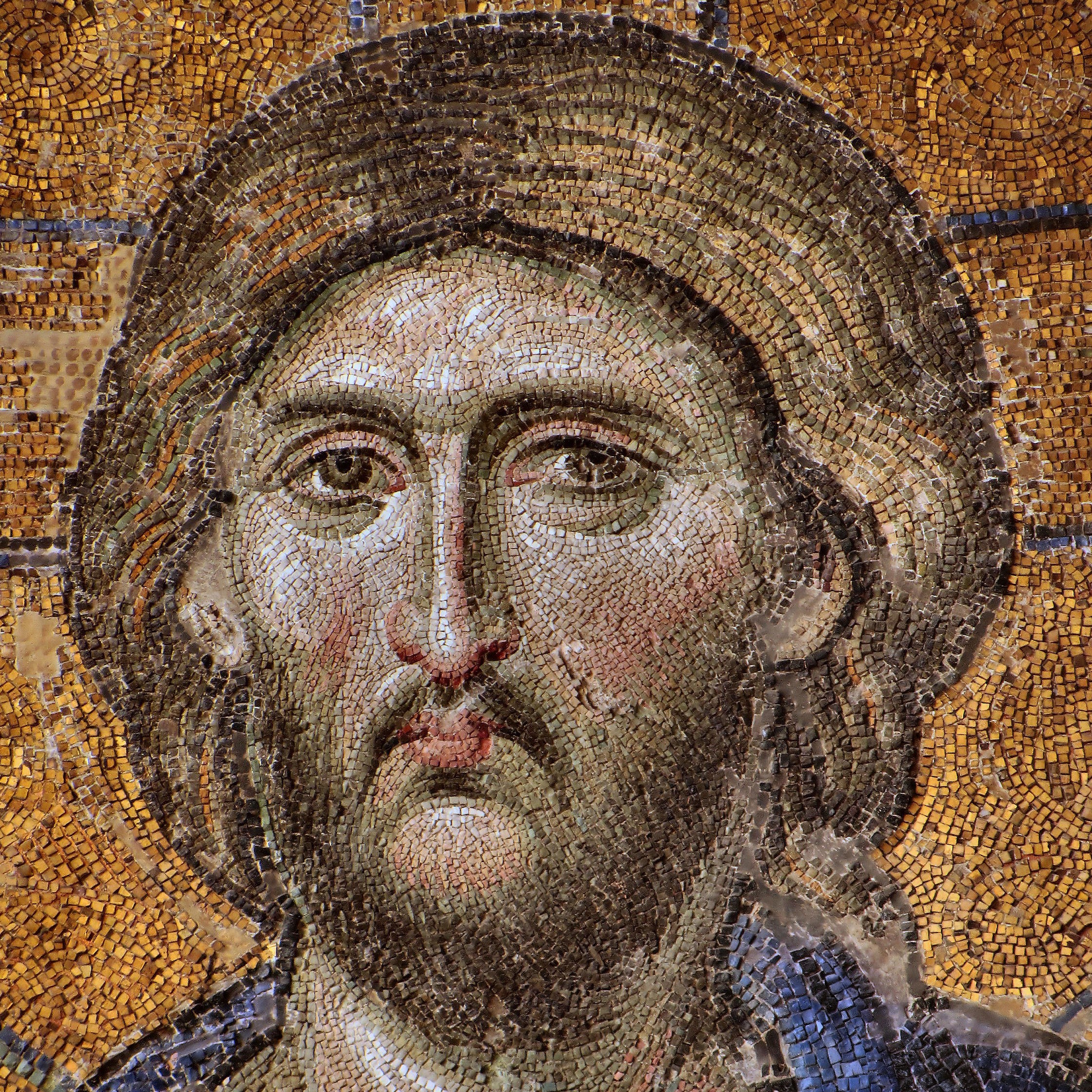
A depiction of our Lord, Jesus Christ

Through Baptism we become members of the Mystical Body of Christ. We become one with him. He lives in us and we live in him. In this meditation we use texts of Scripture,  St John Eudes, St Josemaria Escriva and St John Paul II to consider how:

  • We can ask Jesus to let us see with his eyes, hear with his ears, love with his heart and think with his mind
  • We should act in such a way as to make Christ present to those around us
  • We can grow in union with Christ through reading and meditating on the Gospels, receiving him well in Holy Communion, acting as he would act in our situation, and struggling to overcome the defects which obscure his image in us

Jesus and the Samaritan woman

Jesus and the Samaritan woman

Jesus and the Samaritan woman at the well, a depiction

The encounter of Jesus with the Samaritan woman at the well teaches us many lessons. In this meditation we use the passage related by St John to consider how:

  • Jesus in his Providence arranged for the meeting to take place so that he could reveal himself to the Samaritan woman
  • Jesus begins his conversation not by preaching but by asking for a drink of water
  • Like the woman, we too have received “the gift of God”, the gift of grace, of faith, of formation, and we should put it to good use
  • The woman speaks to others of Jesus and brings them to him
  • We too should love all souls, of all backgrounds and religions, and help them come to know and love  Jesus

Sanctifying ordinary life

The holy family of Jesus Mary and Joseph in his workshop

The Holy Family in Nazareth, in Joseph’s workshop

The Holy Family of Jesus, Mary and Joseph spent thirty years doing ordinary tasks in the home of Nazareth to teach us the sanctifying value of ordinary things. In this meditation we pray about how we too can find God in our day-to-day activities. We use texts of St Josemaria Escriva, the Second Vatican Council and St John Paul II to consider how:

  • The Holy Family is our model
  • We can find God not only in church and in our prayers, but in everything we do
  • St John Paul II called St Josemaria “the patron saint of ordinary life”
  • There are various means we can use to find God in our daily activities