The sacrament of Penance is truly a sacrament of joy, a sacrament of mercy. In this meditation we use texts of Scripture, St John Paul II, Pope Francis and St John Vianney to consider how:
Christ gave the sacrament of penance to the Church on the very evening of his Resurrection
The sacrament corresponds to deep-seated human needs
We obtain many benefits when we go to Confession
We do well to receive the sacrament frequently
We should do all we can to take others to Confession
St Paul tells us that the greatest of the virtues is charity. If we are to live this virtue well, we must first grow in love for God so that his love fills us and overflows into those around us. In this meditation we consider how:
The more we love God, the easier it will be to love our neighbour
We can learn charity from saints like Mother Teresa of Calcutta and St Josemaria, who loved God with their whole heart and their neighbour as themselves
We can grow in four aspects of charity: patience, love for people of all backgrounds, forgiveness and kindness
We all sin, but how much true sorrow do we have? In this meditation we use texts of St Augustine, the Roman Catechism, St John Vianney and St Josemaria Escriva to consider three aspects of penance: the virtue of penance, or sorrow for our sins, the sacrament of penance and the acts of penance, striving to:
Contemplate the sorrowful face of Jesus, as St Peter did
Consider how many sins we have committed and how our sins hurt Our Lord more than those of people who are distant from him
Foster a true purpose of amendment, a sincere resolution to try hard not to sin again
Go regularly to the sacrament of penance and invite others to go with us
Be generous in our acts of penance, of self-denial, as we have been generous in committing sins
At the same time as I wish you all the blessings and joys of the Easter season, I wish to let you know that my latest meditations have been posted on SoundCloud, where you will find them readily accessible. Over time I will also post there many of the older meditations. Enjoy!
The Second Vatican Council, using some words of St Josemaria Escriva, called the Mass the centre and root of the interior life. If we make the Mass our centre and root, we will attend it better and we will unite all our acitivities with it. In this meditation we consider how:
Christ sent the apostles out to the whole world to teach all nations. They went out and in just over three hundred years, amidst bitter persecution of Christians, the Roman Empire declared itself officially Christian. Christendom, a Europe with Christian laws and customs, would last for over a thousand years, and from Europe the faith spread to the rest of the world. Today, however, we see the erosion of Christian values all over the western world. Many people through up their hands in despair, thinking there is nothing they can do. But there is much we can do. In this meditation we use texts of St John Paul II, especially his Apostolic Exhortation Christifideles laici, to consider how:
We must first live out our faith to the full, seeking true holiness of life
We must do everything we can to ensure that Christian values continue to influence public life in our country
We can fight for the dignity of the human person, for the defence of life from conception to natural death, for marriage and the family, and for a more Christian presence in the media and internet, in education, and in legislation.
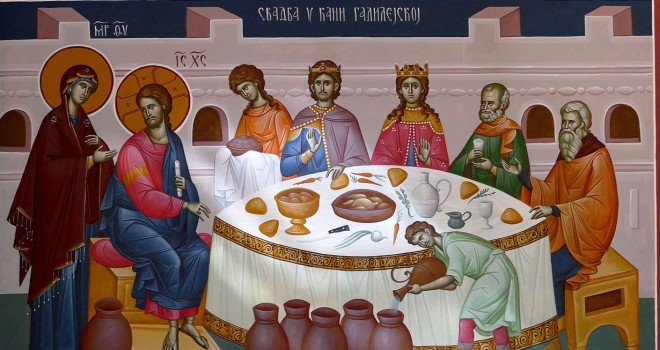
Our Lord’s first miracle at the wedding feast of Cana has much to teach us. In this meditation we use texts of St Josemaria, Tertullian and St John Vianney to consider some of these lessons:
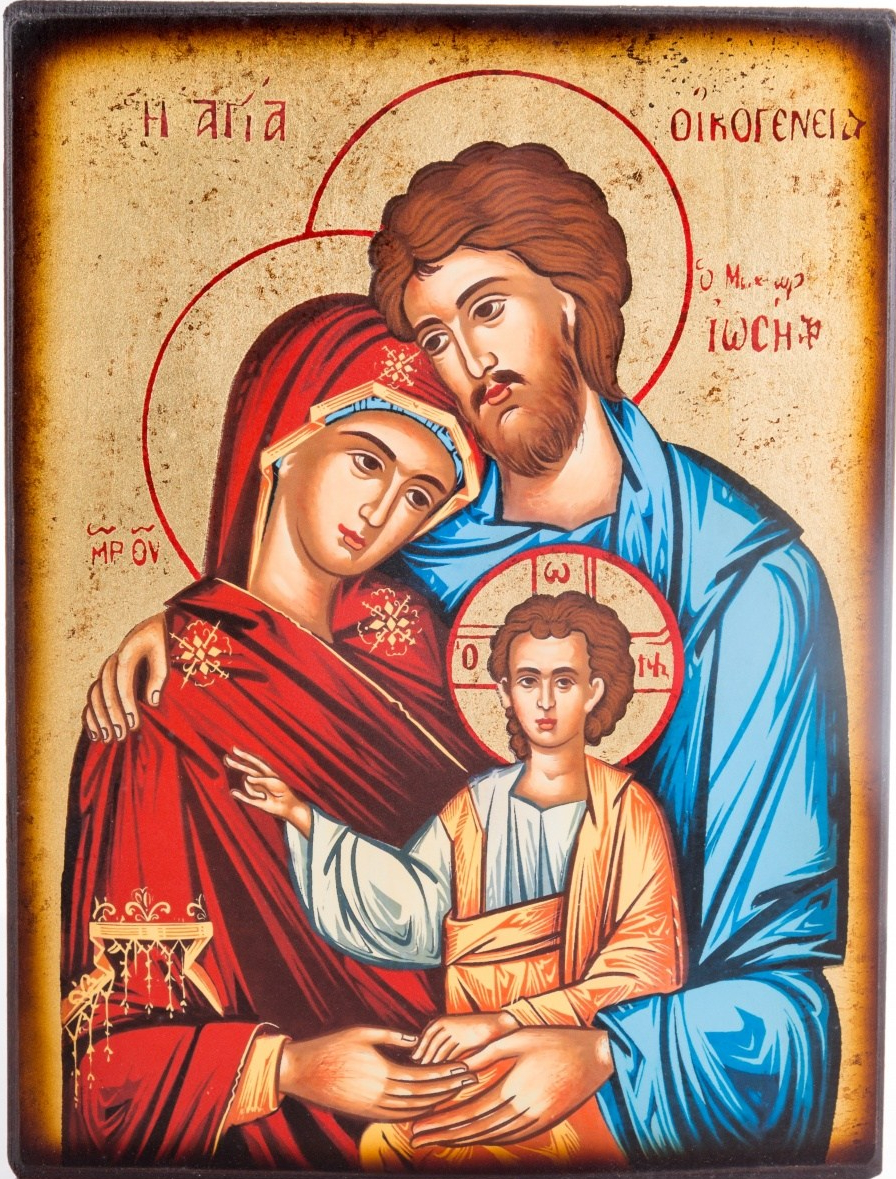
In the words of St John Paul II “The history of mankind, the history of salvation, passes by way of the family”. Yet the family today is under attack in many ways. If it is to fulfil its mission, the family can turn to the Holy Family of Nazareth for inspiration and strength. In this meditation we use texts from St John Paul II, Mother Teresa of Calcutta and Pope Francis to consider:
The beauty of the Holy Family, model of all families
The attack on the family in today’s world
The vital importance of the family for the wellbeing of the spouses, the children and society
Some ways the family can model itself on the Holy Family and thus fulfil its mission more effectively.
At Christmas we have the wonderful custom of giving gifts to others. But the first Christmas gift came from God himself, who so loved the world that he gave his only-begotten Son to dwell amongst us and redeem us by his death on the Cross. In this meditation we consider:
The Gospel passage of St Luke narrating the birth of Christ in Bethlehem
The Prologue of the Gospel of St John telling us who the Child born in Bethlehem is
The many benefits that flow from the Incarnation of God in Jesus
How we can show our gratitude for God’s Gift by welcoming Christ into our life, speaking to him in prayer, doing promptly what he asks of us, giving ourselves to him through those around us and sharing the Gift with others by bringing them to Christ





 fatherfladerblog