Tag Archives: St John Paul II

Vocation to love


God has known and loved each one of us from all eternity. Then, in the fulness of time for us, he created us out of love and invited us to enter into a loving relationship with him. In this meditation we use texts of Scripture, St John Paul II and St Josemaria to consider how:

  • God loves us with the love of eros and agape
  • To love God more and reflect Christ better, we must struggle against the wounds of original sin: pride, self-centredness, lack of willpower and disordered desire for pleasure
  • We grow in love for God through prayer, penance and the sacraments
  • The more we love God, the happier we will be and the more able to draw other souls to God

Love for God

We are all aware of the commandment to love God with our whole heart, soul, mind and strength. But what exactly does this mean?  Is it having feelings of love, telling God we love him, having many devotions? In this meditation we use texts from Scripture, St John Paul II, St Josemaria, St Alphonsus Liguori, and St Francis de Sales to consider how:

  • Love for God is not having feelings of love, telling God we love him, avoiding sinning, or having many devotions, although these are aspects of love
  • St Alphonsus tells us that loving God is essentially doing his will
  • Love for God is doing our ordinary work with love
  • Love for God is loving our neighbour, starting with the members of our family

Sowers of peace

Our Lord, Jesus Christ is the Prince of Peace.

The prophet Isaiah announced the coming of one who would be called Prince of Peace.  When Christ was born in Bethlehem,  the angels announced peace on earth, and Christ later told the apostles that he came to bring peace such as the world cannot give. But when we look around us, we see a great lack of peace. In this meditation, we use texts of Scripture, St Gregory of Nyssa, St John Paul II and St Josemaria Escriva to consider:

    • How the Scriptures speak repeatedly of peace
    • What peace is
    • How peace begins in the human heart
    • How we can grow in peace by loving God more and following the promptings of the Holy Spirit
    • How we can spread peace around us, in our family, our workplace and in society

One with Christ

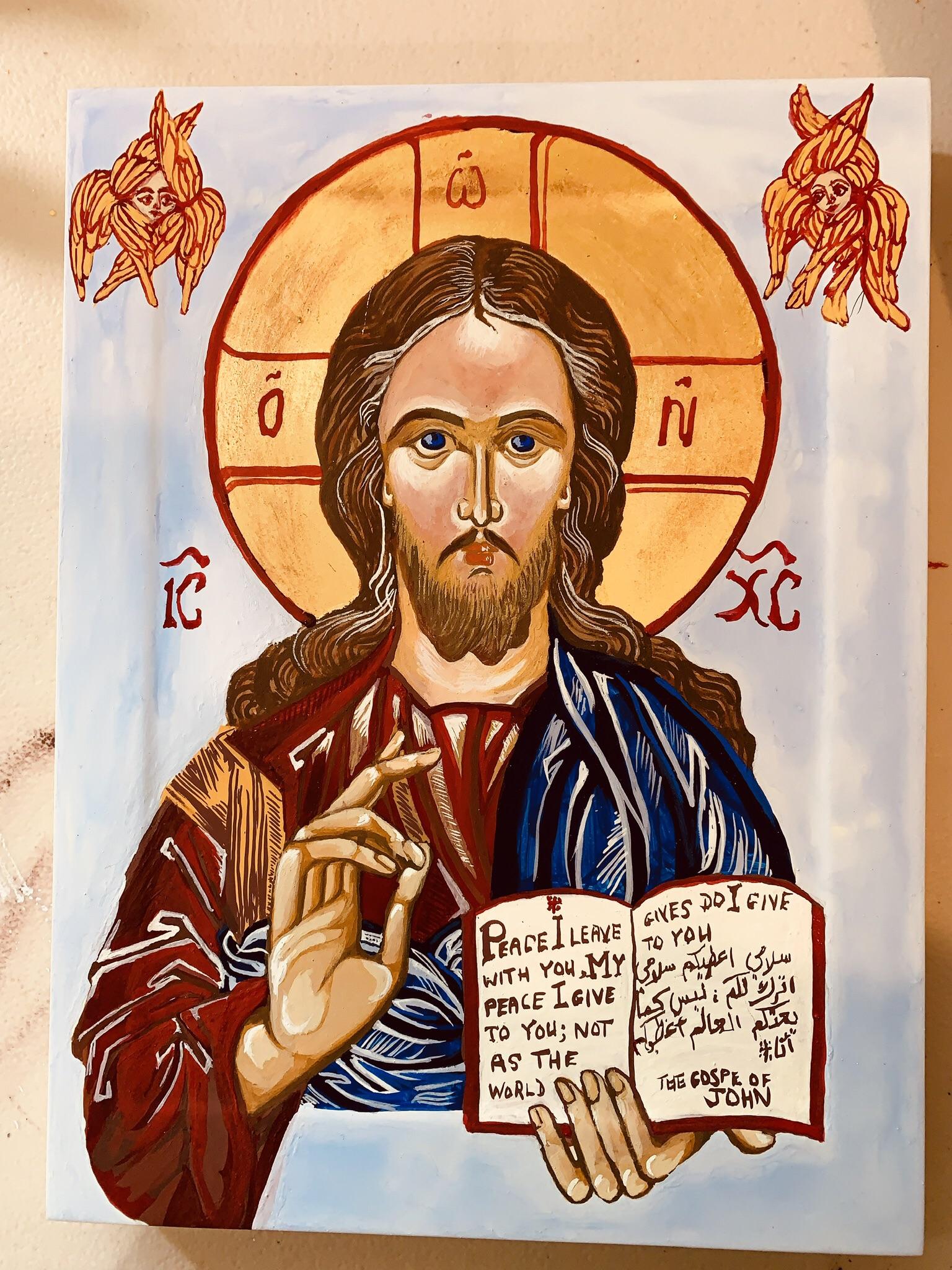
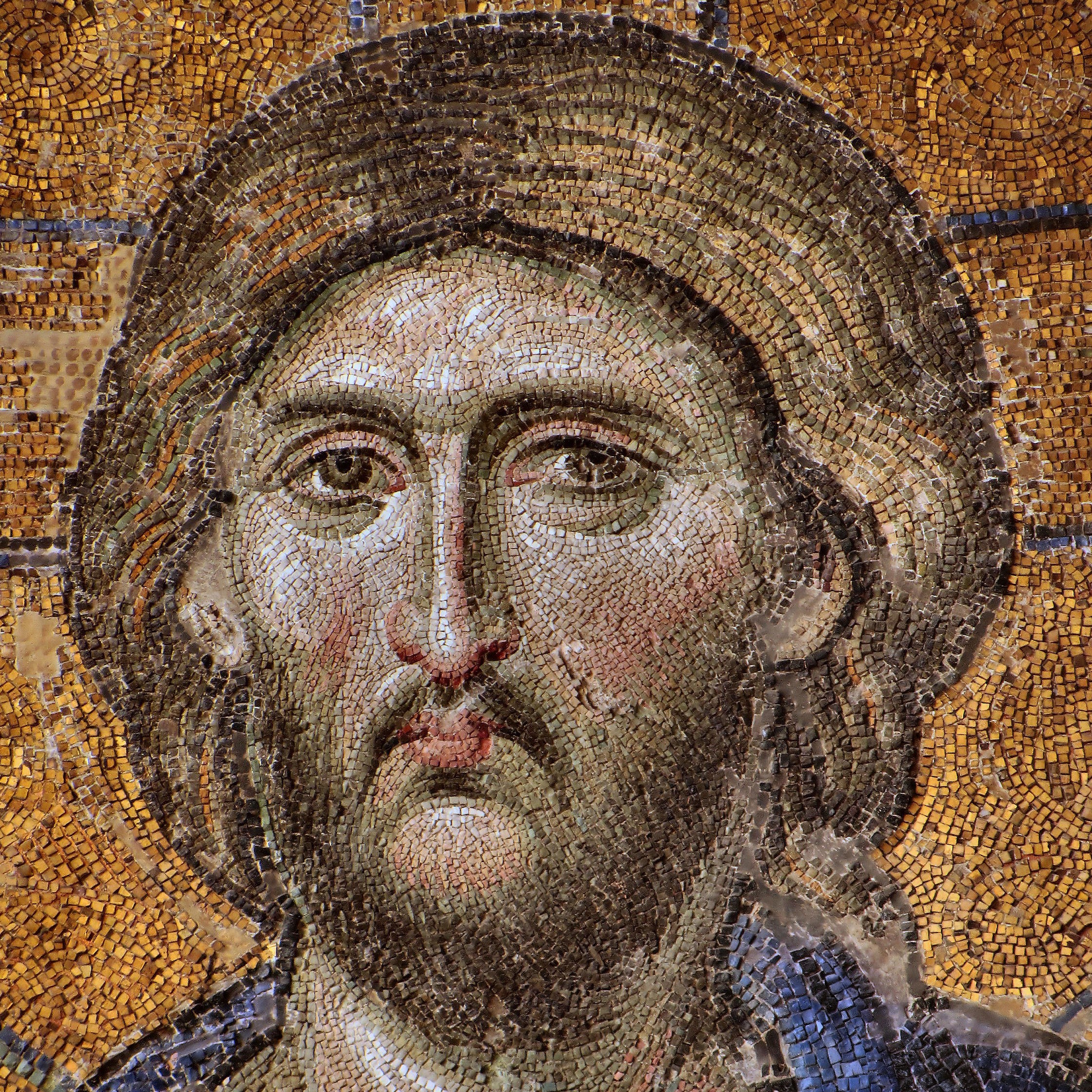
A depiction of our Lord, Jesus Christ

Through Baptism we become members of the Mystical Body of Christ. We become one with him. He lives in us and we live in him. In this meditation we use texts of Scripture,  St John Eudes, St Josemaria Escriva and St John Paul II to consider how:

  • We can ask Jesus to let us see with his eyes, hear with his ears, love with his heart and think with his mind
  • We should act in such a way as to make Christ present to those around us
  • We can grow in union with Christ through reading and meditating on the Gospels, receiving him well in Holy Communion, acting as he would act in our situation, and struggling to overcome the defects which obscure his image in us

Sanctifying ordinary life

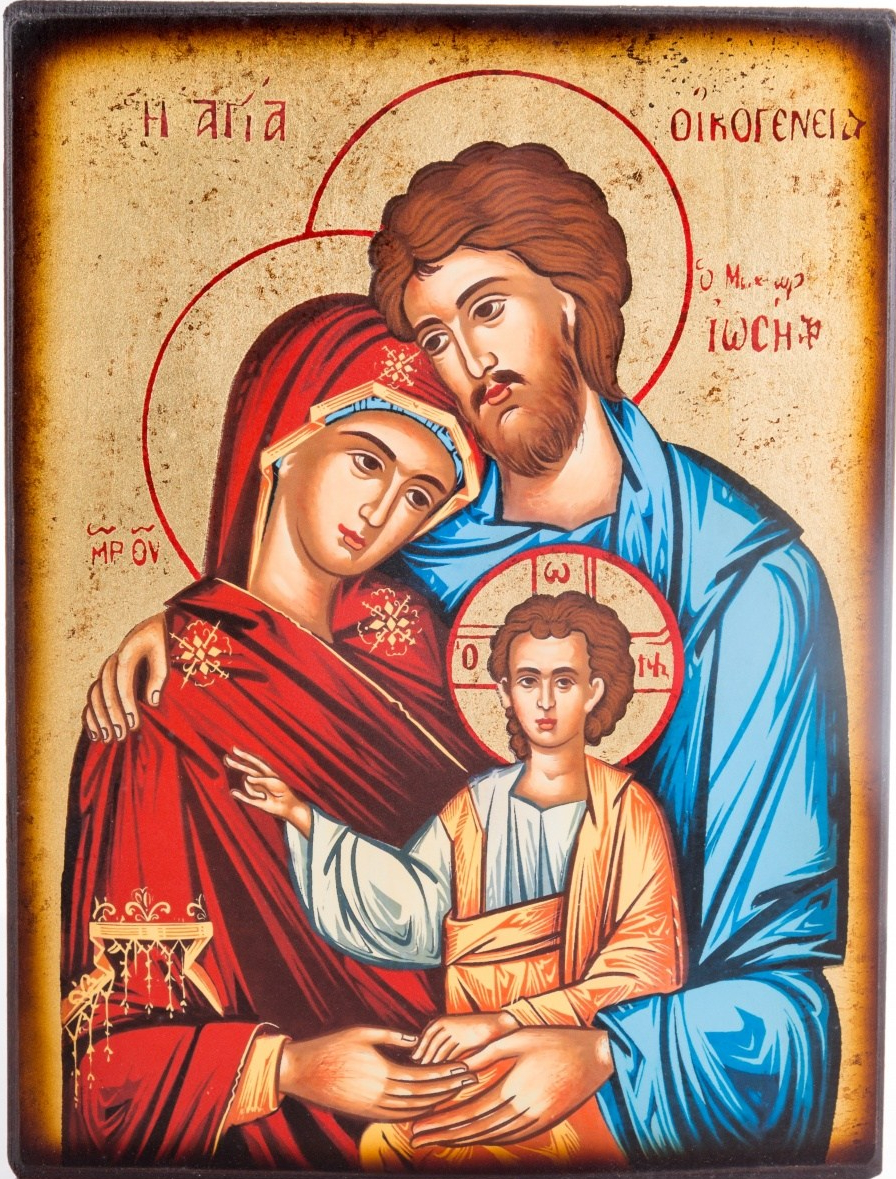
The holy family of Jesus Mary and Joseph in his workshop

The Holy Family in Nazareth, in Joseph’s workshop

The Holy Family of Jesus, Mary and Joseph spent thirty years doing ordinary tasks in the home of Nazareth to teach us the sanctifying value of ordinary things. In this meditation we pray about how we too can find God in our day-to-day activities. We use texts of St Josemaria Escriva, the Second Vatican Council and St John Paul II to consider how:

  • The Holy Family is our model
  • We can find God not only in church and in our prayers, but in everything we do
  • St John Paul II called St Josemaria “the patron saint of ordinary life”
  • There are various means we can use to find God in our daily activities

Praying the Rosary better

One of the most powerful and most loved devotions is the Rosary. In this meditation we use St John Paul II’s Apostolic Letter “Rosarium Virginis Mariae”, by which he introduced the Luminous Mysteries in 2002, to come to a deeper understanding of the Rosary so that we can say it better. We consider how:

  • The Rosary unites us with the liturgy
  • The Rosary, in addition to being a Marian prayer, is essentially centred on Christ
  • The Rosary is a contemplative prayer
  • The repetition of Hail Marys is an expression of love
  • Silence has a place in the Rosary
  • The beads have a symbolic meaning
  • The Rosary unites families and gives them peace

Fasting in Lent

Fasting is one of the three focuses of Lent, along with prayer and almsgiving. But how much fasting should we do? The Church asks very little: only to fast on Ash Wednesday and Good Friday. In this meditation we pray about this important topic, considering:

  • How much Our Lord suffered for us and how we should respond with generosity
  • The history of fasting in Lent, from the early centuries to the present
  • Statements from Pope St John Paul II on generosity in fasting
  • Words of St Francis de Sales on the spirit of fasting
  • Practical ways we can live fasting in Lent

Holy Mass, centre and root of the interior life

Pope St John Paul II saying mass


The Second Vatican Council, using some words of St Josemaria Escriva, called the Mass the centre and root of the interior life. If we make the Mass our centre and root, we will attend it better and we will unite all our acitivities with it. In this meditation we consider how:

  • The Mass is the sacrifice of Calvary made present on the altar
  • It is the Church’s most powerful prayer and we can unite our own intentions with those of the Mass
  • The Mass is the centre of all the sacraments and we can strive to make it the centre of our day and the focal point of  all our activities
  • As the root of the interior life the Mass strengthens our faith by anchoring us firmly in Jesus Christ
  • Through the root of the Mass we receive nourishment for our soul through the prayers, readings and especially Holy Communion
  • We should strive to be truly Eucharistic souls

Rechristianising society

Christ sent the apostles out to the whole world to teach all nations. They went out and in just over three hundred years, amidst bitter persecution of Christians, the Roman Empire declared itself officially Christian. Christendom, a Europe with Christian laws and customs, would last for over a thousand years, and from Europe the faith spread to the rest of the world. Today, however, we see the erosion of Christian values all over the western world. Many people through up their hands in despair, thinking there is nothing they can do. But there is much we can do. In this meditation we use texts of St John Paul II, especially his Apostolic Exhortation Christifideles laicito consider how:

  • We must first live out our faith to the full, seeking true holiness of life
  • We must do everything we can to ensure that Christian values continue to influence public life in our country
  • We can fight for the dignity of the human person, for the defence of life from conception to natural death, for marriage and the family, and for a more Christian presence in the media and internet, in education, and in legislation.


The Holy Family, model of all families


In the words of St John Paul II “The history of mankind, the history of salvation, passes by way of the family”. Yet the family today is under attack in many ways. If it is to fulfil its mission, the family can turn to the Holy Family of Nazareth for inspiration and strength. In this meditation we use texts from St John Paul II, Mother Teresa of Calcutta and Pope Francis to consider:

  • The beauty of the Holy Family, model of all families
  • The attack on the family in today’s world
  • The vital importance of the family for the wellbeing of the spouses, the children and society
  • Some ways the family can model itself on the Holy Family and thus fulfil its mission more effectively.