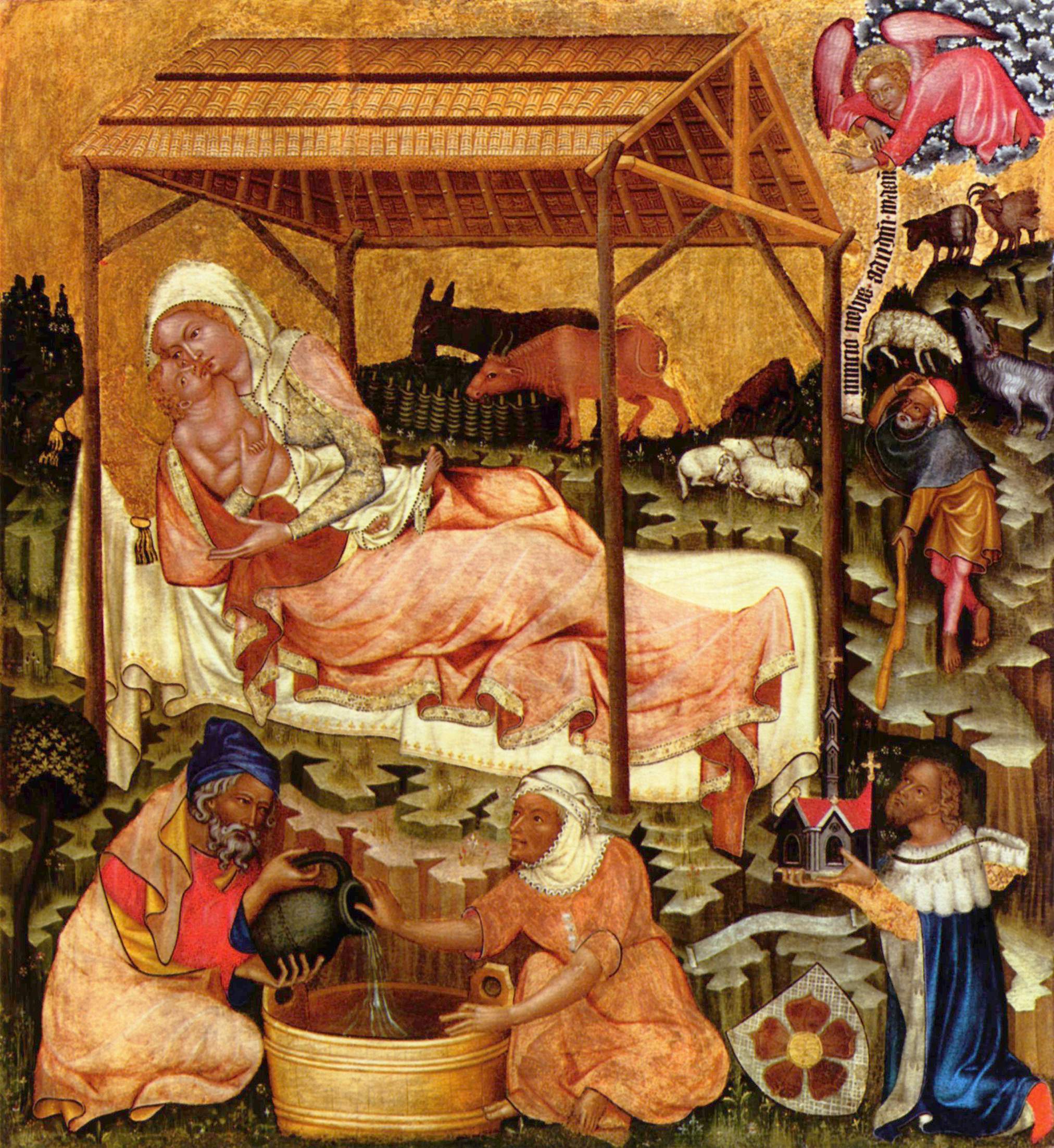
Everyone loves Christmas, when we celebrate the birth of Christ in Bethlehem. In this meditation we use the Catechism of the Catholic Churchand texts of St Josemaria to pray about why God became man and the consequences this has for us. According to the Catechism, God became man for four reasons:
St Paul tells us that the greatest of the virtues is charity. If we are to live this virtue well, we must first grow in love for God so that his love fills us and overflows into those around us. In this meditation we consider how:
The more we love God, the easier it will be to love our neighbour
We can learn charity from saints like Mother Teresa of Calcutta and St Josemaria, who loved God with their whole heart and their neighbour as themselves
We can grow in four aspects of charity: patience, love for people of all backgrounds, forgiveness and kindness
The Second Vatican Council, using some words of St Josemaria Escriva, called the Mass the centre and root of the interior life. If we make the Mass our centre and root, we will attend it better and we will unite all our acitivities with it. In this meditation we consider how:
At Christmas we have the wonderful custom of giving gifts to others. But the first Christmas gift came from God himself, who so loved the world that he gave his only-begotten Son to dwell amongst us and redeem us by his death on the Cross. In this meditation we consider:
The Gospel passage of St Luke narrating the birth of Christ in Bethlehem
The Prologue of the Gospel of St John telling us who the Child born in Bethlehem is
The many benefits that flow from the Incarnation of God in Jesus
How we can show our gratitude for God’s Gift by welcoming Christ into our life, speaking to him in prayer, doing promptly what he asks of us, giving ourselves to him through those around us and sharing the Gift with others by bringing them to Christ
God so loved the world that he sent his only begotten Son, and Jesus loved us so much that he suffered and died on the cross for us. Jesus invites us to love him in return but we so often show him by our sins that we love him too little. In this meditation we consider how:
We cannot avoid all sins – even the saints in heaven committed them – but we can try harder to avoid sinning.
God expects more from us than from many others.
We should strive especially to avoid committing mortal sins and deliberate venial sins.
We should identify the occasions of our sins and strive to avoid them.
We should foster true contrition for our sins.
We should do penance to make up at least in part for our sins and to strengthen our will to resist future temptations.
We should strive to go regularly to the sacrament of penance, knowing that there God always pours out his mercy on us.
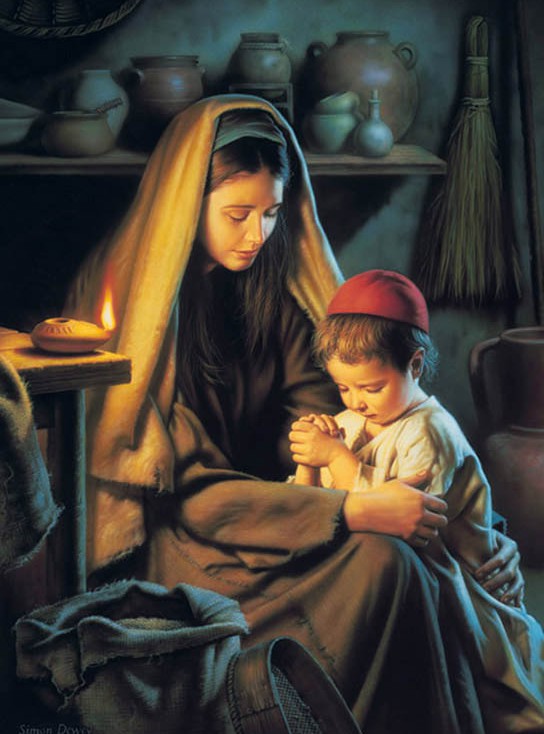
A contemplative person is more patient, peaceful, kind and cheerful. Picture shows the young Jesus praying beside her mother.
St Josemaria taught that all Christians can be contemplatives in the middle of the world: that they can find God and be aware of his presence in every activity. This is within the reach of all but it requires effort on our part. In this meditation we will consider how:
Jesus promised the apostles, and us, that he would be with us always, until the end of the world.
God is with us in many different ways.
Like St Augustine, we often have to say that God was with us but we were not with him.
In order to grow in contemplative life it is important to live well our regular times of prayer and space them out throughout the day.
We can intersperse our regular times of prayer with aspirations.
A contemplative person is more patient, peaceful, kind and cheerful.
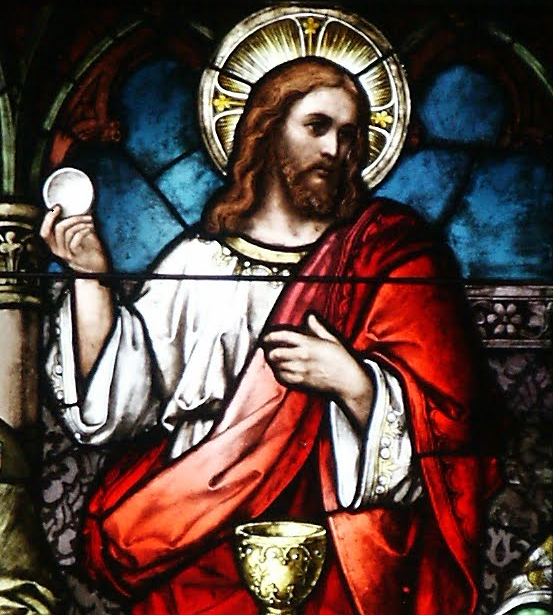
In Holy Communion we receive our Lord in the species of the host and wine. This is the greatest union we can have with Jesus Christ while on earth.
Many people receive Holy Communion regularly but it is easy to fall into routine in doing so. If we remember Who it is that we are receiving we can receive it better, with the “purity, humility and devotion” with which Our Lady received it, in the words of the Spiritual Communion taught by St Josemaria. In this meditation we use quotations from many saints, especially St Josemaria and St John Vianney, and from the Catechism of the Catholic Church to consider:
Holy Communion is the greatest union we can have with Christ on earth
It is a promise of heaven, an anticipation of heaven and the means to reach heaven
Communion cleanses our soul from venial sins and helps us avoid mortal sins
How we can prepare well to receive Communion
How we can receive Our Lord with more faith, hope and love
How we can give thanks better after receiving Communion
Why we should receive Communion as often as we can
Anyone who wants to achieve an important goal has a plan of daily activities to reach it: the athlete, the student, the business person. Our goal is the most important of all: eternal salvation, heaven. Our happiness here and hereafter depends on it. In this meditation we consider how:
We are called to love God with our whole heart and in order to achieve that we must spend some time with him each day
We are called to eternal life with God in heaven, the goal of our whole life
Like the student, the athlete, the business person, we need a daily plan of activities to achieve our goal
We can dedicate some time each day to such activities as mental prayer, Holy Mass, the Rosary, spiritual reading, reading of the New Testament, the Angelus, morning prayers, the examination of conscience, etc.
We can achieve this by having regular times for prayer spread out throughout the day
When we consider the passion and death of Christ on the Cross we tend to overlook the enormous suffering of his mother Mary. Because of her great love for Jesus, Mary suffered unspeakably. In this meditation we use texts from the Stabat Mater, St Josemaria and St Bernard to consider how:
Mary was always united with Jesus, from his birth until his death on the Cross
Mary suffered in her soul what Jesus suffered in his body because her heart was one with his
Our Lady is with us in our own crosses
Jesus gives us Mary to be our mother and we, like John, should take her into our heart
Because of her great suffering, Mary can be called truly a martyr






 fatherfladerblog