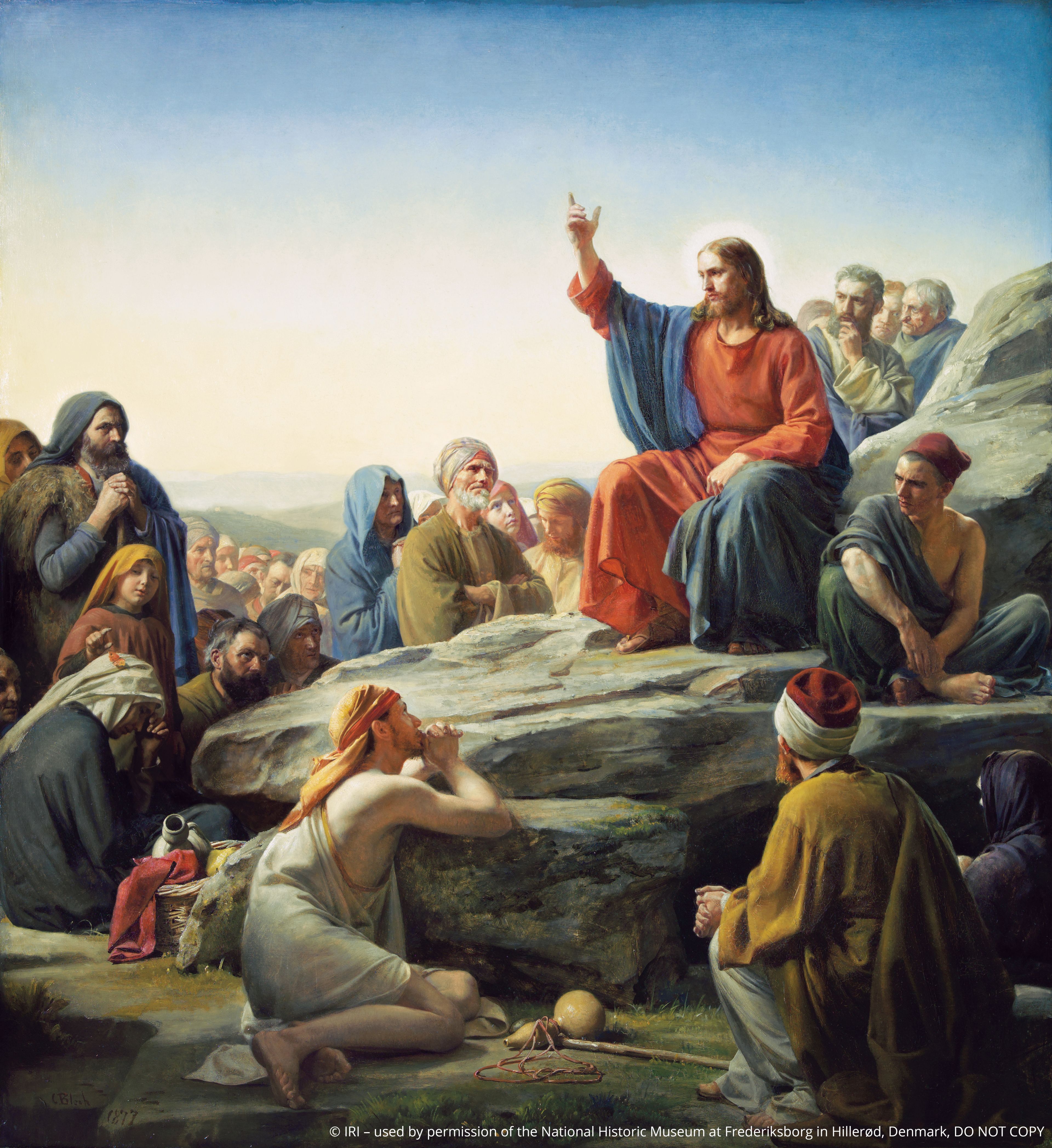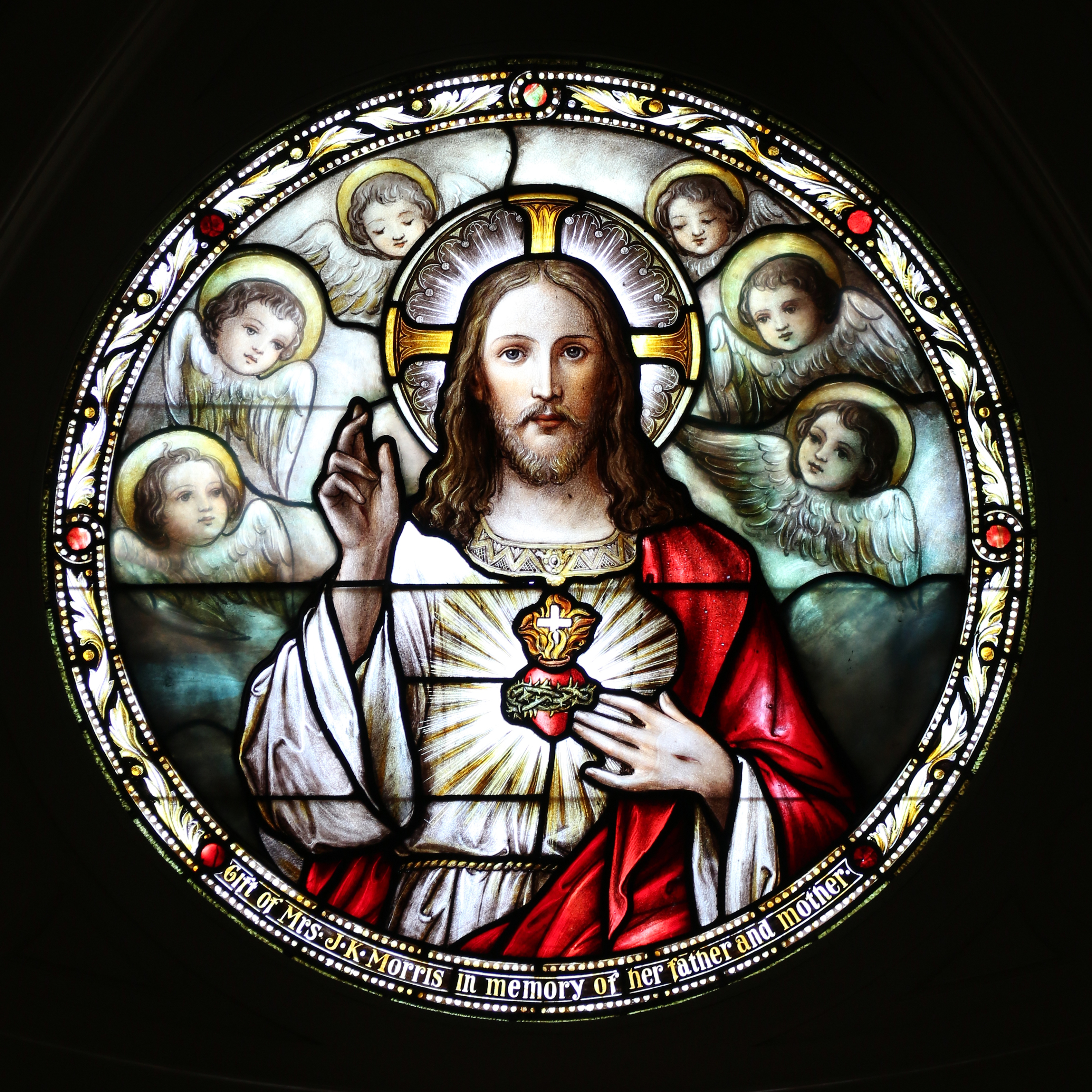
Our Lord, Jesus Christ, giving the beatitudes during the Sermon on the Mount.
In the Sermon on the Mount, Jesus gave us the eight Beatitudes, eight attitudes or dispositions that should characterise every follower of Christ, of whom they are a portrait. In this meditation we consider how:
The Beatitudes should characterise every Christian
At the beginning of another year, we use texts of Scripture and St Josemaria Escriva to pray about what our goals and resolutions might be, especially that most important goal of growing in holiness so as to deserve eternal life with God in heaven. We consider:
The very reason for our existence is to know, love and serve God on earth in order to be happy with him forever in heaven
We should make good use of every moment of the day since we don’t know how long God has given us on this earth
Many souls depend on the life of each of us
Holiness is a struggle, a battle, against the world, the flesh and the devil
We should have the determination of athletes, who discipline themselves and train hard to win a crown that fades, whereas ours is imperishable: eternal life.
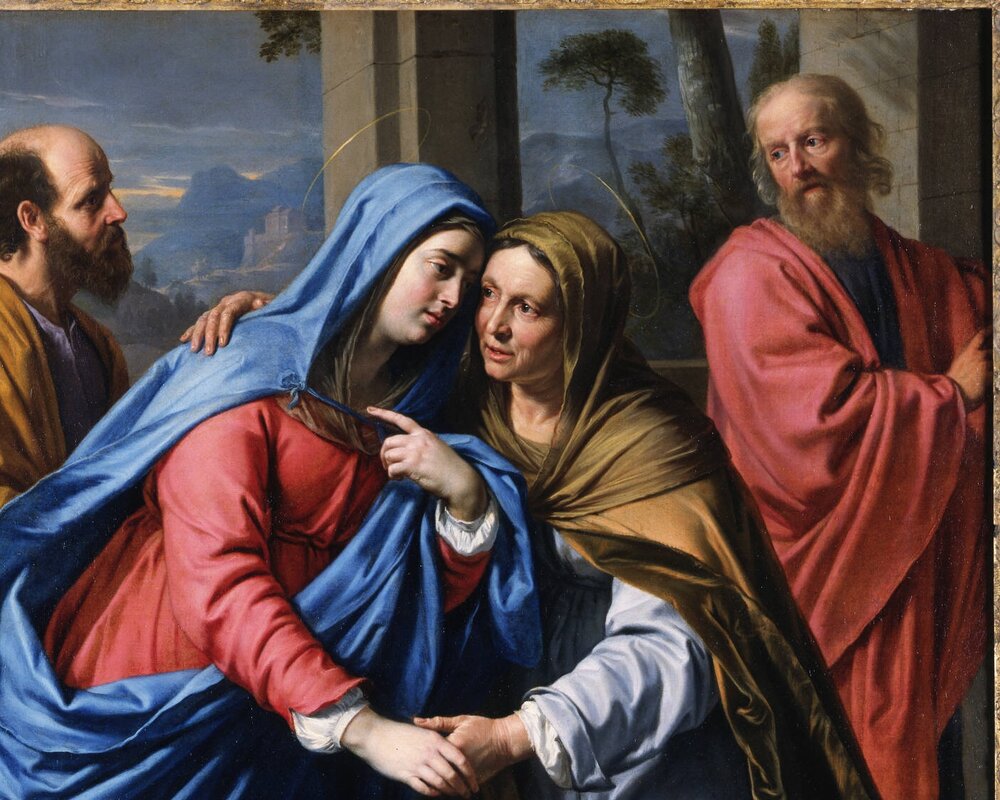
The first Christmas gift was Jesus Christ himself: “So much did God love the world that he sent his only-begotten Son.” In this meditation we use Mary’s visitation to her kinswoman Elizabeth and other texts of Scripture to consider how we can respond to that gift by:
Giving ourselves to God through our life of prayer, penance and charity
Growing in joy by knowing God close to us
Bringing Christ to others, as Mary did, by our generous self-giving to them
Bringing joy to others in the Christmas season by bringing Christ to them through our smile, our generosity and our kindness
Purgatory is a reality but because we cannot see the souls being purified there we tend to forget them. In this meditation we pray about the importance of having great devotion to the holy souls. Using texts of Scripture, the Catechism, Pope Benedict XVI, St Thomas More, St Josemaria, St Augustine and others, we consider that:
It is difficult to go straight to heaven when we die because the soul must be perfectly purified
The souls in purgatory suffer greatly from the pain of fire and from not being able to be with the God they love so much
At the same time they are exceedingly happy
From the earliest days, the Church has prayed for those who have died
Our devotion to the souls in Purgatory helps them and makes it easier for us to avoid going there ourselves
The Rosary, which developed out of Christian piety over the centuries, has shown itself to be a very powerful prayer. In this meditation we consider how:
The Rosary gradually developed over the centuries
St Dominic used the Rosary to win over the heretics of his day
The Rosary has been credited with winning military battles, including that of Lepanto
Following Our Lady’s apparitions at Fatima, the Rosaries said for the conversion of Russia helped bring down the Communist regimes in Eastern Europe
The Rosary is powerful in uniting families
The Rosary helps those who say it to grow in holiness
Angels are real. They appear throughout the Bible, from the book of Genesis to the book of Revelation. Because we can’t see them, we can easily forget them. In this meditation we pray about how to increase our devotion to the angels, using texts of Scripture, St Josemaria Escriva and St John Vianney, to consider:
As we go through life we often find ourselves tossed on the stormy seas and we can become discouraged, sad, and even depressed. The Covid pandemic adds to those troubles. In a situation like this, we need an attitude not of pessimism and sadness but of optimism and happiness. In this meditation we consider how:
Christ is always with us, no matter how bad the situation is, and he can calm every storm
Nothing is impossible for God
There is a bright side to every dark situation
God has a plan for our life, including our suffering, which we will see only at the end
We should give thanks for what we have instead of lamenting what we have not
Our Lord invited us, if we would be his disciples, to take up our cross and follow him. A few days later he manifested his divinity to three of his apostles in the Transfiguration, as we will see him in his glory in heaven. In this meditation, using texts from Scripture, St Josemaria and St John Vianney, we consider how:
Our pathway to heaven passes by way of the cross
The cross is truly a blessing, in that it purifies us and it can be offered up for others
The cross is a manifestation of God’s love for us
When we have a cross to bear, we can think that Christ suffered more than we ever will, and that many others are suffering more than we are
If we love the crosses life brings, we will find joy in them and they will unite us with Christ
We should seek the cross too through mortification and penance
Christ gives us the parable of the sower, who sows seed on different types of soil, yielding different results. In this meditation we consider how we can all be, at times, each of the different types of soil:
The path, when we turn a deaf ear to Christ’s promptings
The rocky ground, when we begin something with enthusiasm but then give up because it was too hard
The thorns, when we are drawn away from God by the attraction of the world
The good soil, when we respond to God with generosity and yield a rich harvest
The Second Vatican Council called Our Lady “model of the virtues” and we can learn so much from her. In this meditation we go to her as “teacher of prayer” to learn how to pray better. Using texts from Scripture and St Josemaria Escriva we consider how:
In the Annunciation Mary listens to what God is asking of her through the angel, asks about what she does not understand, and then immediately accepts God’s will for her
In her Magnificat, Mary praises God for his loving-kindness to her
On two occasions Our Lady ponders in her heart God’s providence in the events of her life
At Cana Mary asks Jesus with great faith to do a miracle
In all her activities, Mary lived in the presence of God