Tag Archives: St Josemaria

Love for God

We are all aware of the commandment to love God with our whole heart, soul, mind and strength. But what exactly does this mean?  Is it having feelings of love, telling God we love him, having many devotions? In this meditation we use texts from Scripture, St John Paul II, St Josemaria, St Alphonsus Liguori, and St Francis de Sales to consider how:

  • Love for God is not having feelings of love, telling God we love him, avoiding sinning, or having many devotions, although these are aspects of love
  • St Alphonsus tells us that loving God is essentially doing his will
  • Love for God is doing our ordinary work with love
  • Love for God is loving our neighbour, starting with the members of our family

Love for the Sacred Heart

Our Lord has loved us to the end, to the last drop of his blood and water, and he invites us to love him in return. In this meditation we use texts of Scripture, Pope Francis’ encyclical Dilexit nos, St Margaret Mary Alacoque and St Josemaria Escriva to consider how:

  • Christ’s Sacred Heart is a true human heart, loving all mankind, and each individual, with infinite divine love.
  • When Christ has loved us so much, we should strive to love him in return.
  • Our Lord asked St Margaret Mary for the feast of the Sacred Heart, in order to increase love for him throughout the world.
  • We can learn much from Pope Francis’ beautiful encyclical on the Sacred Heart Dilexit nos (2024)
  • Love for the world and for material things hinders our love for God
  • We can grow in love for God and our neighbour in practical ways.

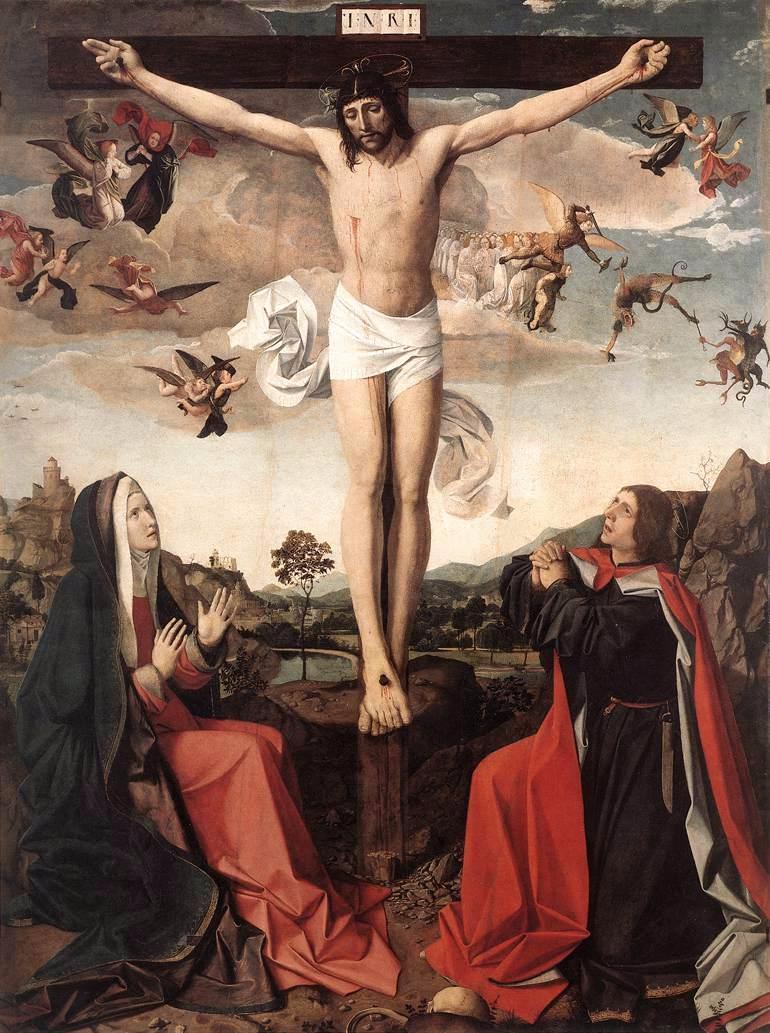
Lessons from the Passion

Jesus teaches us so much in  his suffering and death on the Cross. In this meditation we use the events from his prayer in the Garden of Gethsemane, through his death on Mount Calvary, to his Resurrection on Easter Sunday to consider some of these lessons:

      • Our weakness, like that of Peter, in denying Christ through sin
      • The importance of prayer to avoid falling in temptation
      • The value of our penances, when we consider Christ’s scourging and crowning with thorns
      • Christ’s fortitude in rising again after his three falls
      • His love in suffering on the Cross when they were tempting him to come down
      • Christ’s gift to us of his Mother to be our own
      • Christ’s Resurrection, which follows his suffering and our own

One in the Communion of Saints

One of the most consoling truths of our faith is the reality of the Communion of Saints – the Church triumphant in heaven, the Church suffering in purgatory, and the Church militant on earth, all helping one another. In this meditation we use texts from Scripture, the Catechism, St Bernard, St Therese of Lisieux and St Josemaria to consider how:

  • The saints in heaven “fix the Church more firmly in holiness” by their example and prayer for us
  • We should have as the goal of our life to be with them for all eternity
  • The souls in purgatory suffer greatly and are exceedingly happy, relying on our prayer for them and interceding for us before God
  • In the Church militant, we are helped by the prayers of all in this Communion and we should feel responsible to help the others by our struggle for holiness and our prayers and works.

Prayer for the holy souls

A depiction of purgatory

November is the month in which the Church traditionally intensifies her prayers for the souls in Purgatory. But every day should be for us a day of prayer for the holy souls. There are many souls there now suffering greatly but at the same time exceedingly happy. In this meditation we use texts from Scripture, the Catechism and saints to consider how:

  • The holy souls suffer from the pains of sense, likened to fire, and of loss, of being deprived of union with God
  • The souls in Purgatory are happier than we are on earth, because they are assured of heaven and they love God more than we do
  • We can help the souls in Purgatory by offering our prayers, works and sufferings for them
  • The souls in Purgatory are powerful intercessors for us and we can entrust our intentions to them
  • The holy souls should be able to consider us their “good friends”

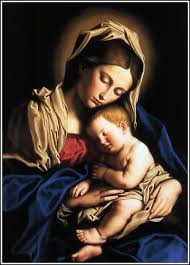
Mary, our Mother

From the moment she conceived Jesus in her womb, Mary became the mother of his Mystical Body, the Church, and of all of us. In this meditation we use texts from Sacred Scripture, Pope St John Paul II, Pope St Paul VI, St Josemaria Escriva and St Bernard to consider how:

  • Mary gave birth to Jesus and to the Church in Bethlehem
  • From the Cross at Calvary, Jesus gave Mary to St John, and to each one of us, as our mother
  • Because of the pain she suffered when Christ’s body was pierced with a lance and the Church flowed from his side on Calvary, Mary has a special love for all her children
  • Mary exercises her motherly role in many moments related in the Scriptures
  • We can show our gratitude to Our Lady and honour her through such practices as the Rosary, the Angelus, Marian aspirations and pilgrimages

Devotion to the Souls in Purgatory

Purgatory is a reality but because we cannot see the souls being purified there we tend to forget them. In this meditation we pray about the importance of having great devotion to the holy souls. Using texts of Scripture, the Catechism, Pope Benedict XVI, St Thomas More, St Josemaria, St Augustine and others, we consider that:

  • It is difficult to go straight to heaven when we die because the soul must be perfectly purified
  • The souls in purgatory suffer greatly from the pain of fire and from not being able to be with the God they love so much
  • At the same time they are exceedingly happy
  • From the earliest days, the Church has prayed for those who have died
  • Our devotion to the souls in Purgatory helps them and makes it easier for us to avoid going there ourselves

The cross, pathway to heaven

Our Lord invited us, if we would be his disciples, to take up our cross and follow him. A few days later he manifested his divinity to three of his apostles in the Transfiguration, as we will see him in his glory in heaven.  In this meditation, using texts from Scripture, St Josemaria and St John Vianney, we consider how:

  • Our pathway to heaven passes by way of the cross
  • The cross is truly a blessing, in that it purifies us and it can be offered up for others
  • The cross is a manifestation of God’s love for us
  • When we have a cross to bear, we can think that Christ suffered more than we ever will, and that many others are suffering more than we are
  • If we love the crosses life brings, we will find joy in them and they will unite us with Christ
  • We should seek the cross too through mortification and penance

Rechristianising society


With God and Christian values being pushed more and more out of our laws, culture and lives, people agree that the world is not in a good place. But what can be done to change this? In this meditation we use texts of the Second Vatican Council, St John Paul II, St Josemaria and Edmund Burke to consider how:

  • Christ sent twelve apostles out to the whole world and they transformed the Roman Empire
  • Society is transformed through man, through each person
  • God will do the work but he needs us to help him
  • We begin by struggling for holiness
  • We can help parents to bring up their children in faith and values
  • We can help politicians, journalists, teachers and others to have good values
  • We can join political parties, professional associations and pro-life groups

Learning patience

We all have situations in which we find it difficult to be patient. In this meditation we use texts of Scripture and St Josemaria Escriva’s book The Way to consider:

  • How patience is part of the virtue of fortitude
  • How there are degrees of patience
  • How difficulties in life can help sanctify us
  • How love for God is essential to grow in this virtue
  • How we can grow in patience if we consider how patient God is with us