Pope Francis has given us the new feast of Mary, Mother of the Church, celebrated on the Monday after Pentecost. In this meditation we pray about the background of the feast, considering:
Passages of Scripture on Mary, Mother of the Church
Texts of Fathers of the Church and Popes on this teaching
Proclamation of the truth by Pope St Paul VI in 1964
The Second Vatican Council called Our Lady “model of the virtues”. In this meditation we use texts from the New Testament to consider how Mary teaches us various aspects of the virtue of charity:
In the Annunciation, her love for God moves her to say yes and to bring the God who is Love into the world
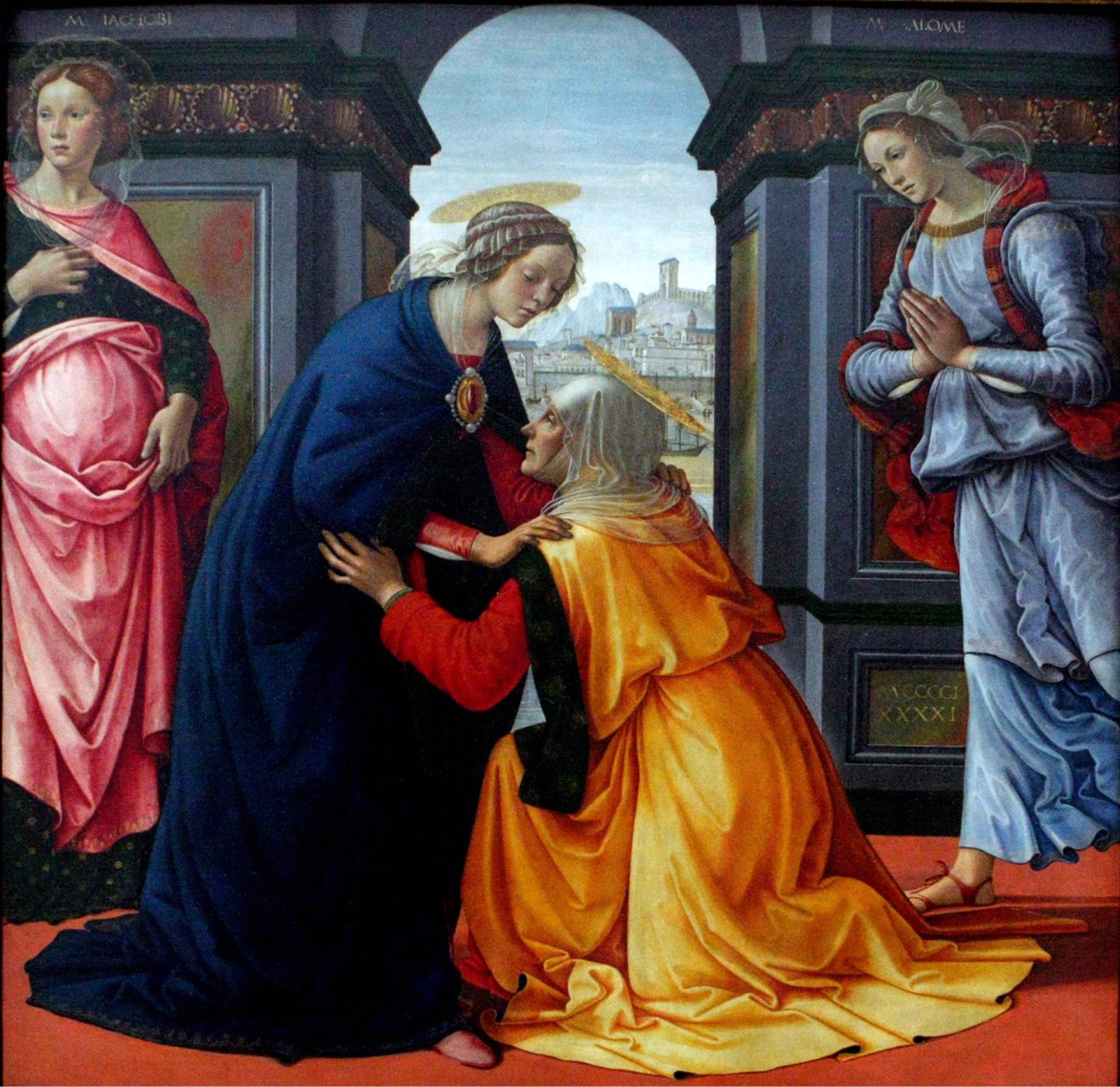
In the Visitation to Elizabeth, Mary forgets herself and spends three months helping her aging relative prepare for the birth of John the Baptist
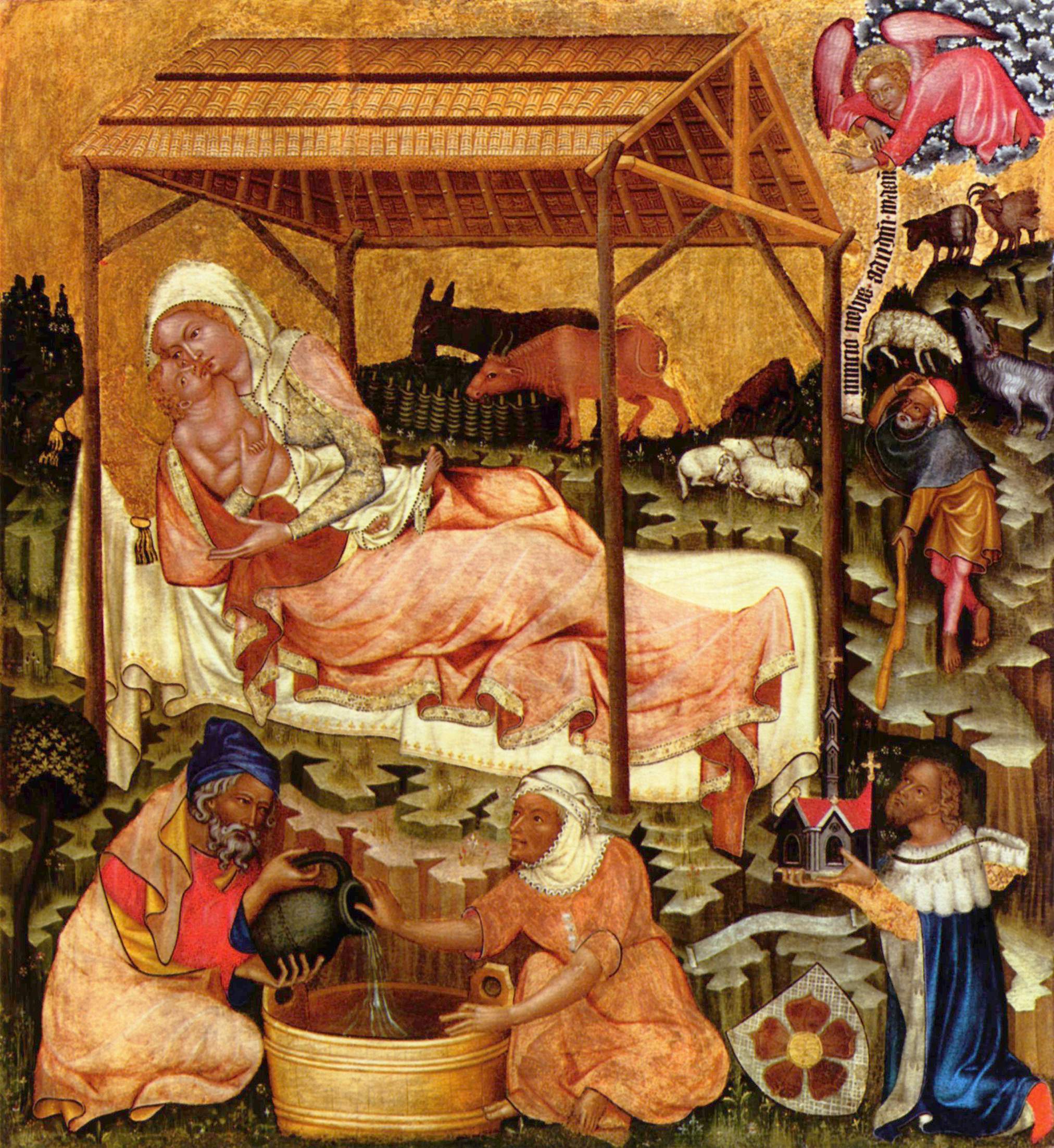
In Bethlehem, she contemplates Love in human form
At Cana, she is sensitive to the wedding couple and asks Jesus to help them
At Calvary, she sacrifices herself to accompany Jesus on the Cross
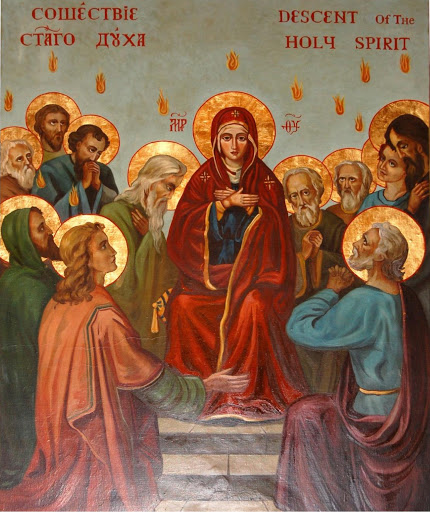
In the Upper Room, she prays with and for the apostles as they await the coming of the Holy Spirit
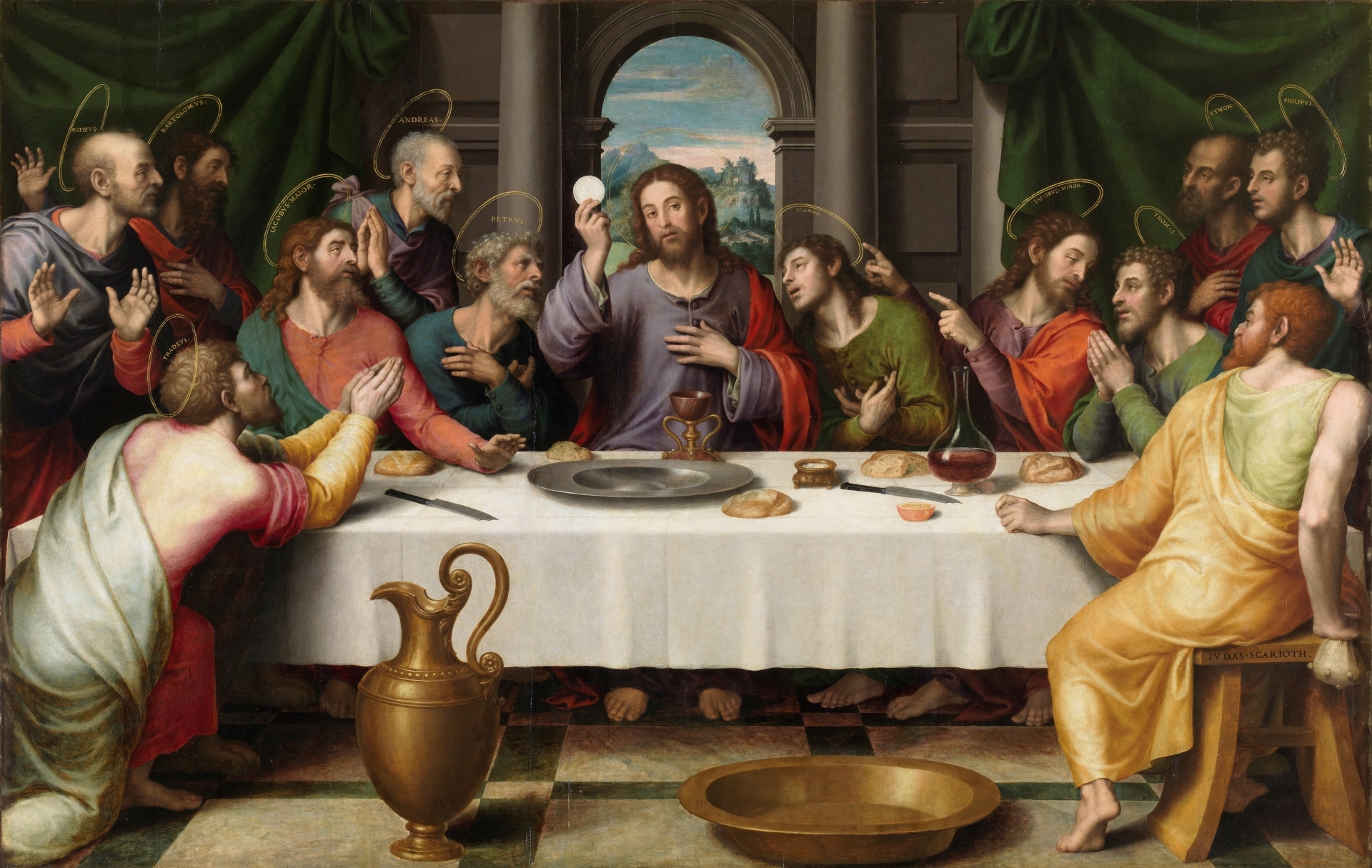
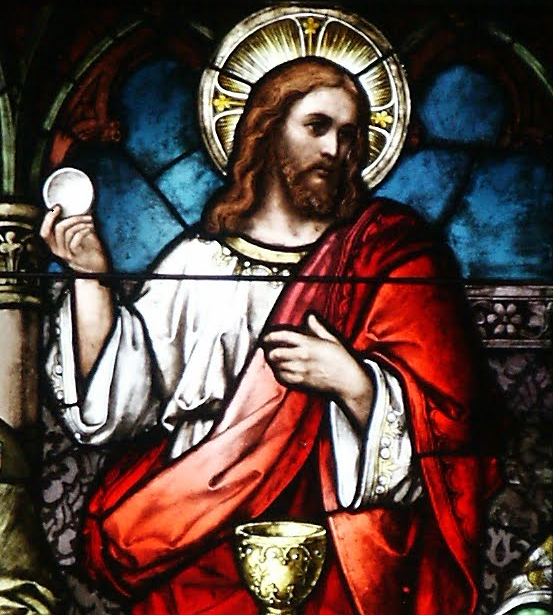
In the Last Supper, Christ instituted the Eucharist and gave the apostles his Body and Blood as Holy Communion for the first time. In this meditation we use texts of Scripture, the Catechism, St Josemaria Escriva and St John Vianney, the Cure of Ars, to consider how:
In Holy Communion we receive the living Jesus himself, Body and Blood, Soul and Divinity
Since Christ is one with the Father and the Holy Spirit, we receive the whole Blessed Trinity
Communion fills us with grace, forgives venial sins, helps us avoid mortal sins and is a promise of heaven, an anticipation of heaven and the means to reach heaven
We should receive Communion as often as we can and prepare well to receive this truly Blessed Sacrament
On Holy Thursday we celebrated the institution of the Eucharist by Christ in the Last Supper, in what was his last celebration of the Passover. Even though In these extraordinary times of a pandemic most of us are unable to attend Mass, we can still be very united to the Masses being celebrated and so be, in the words of St Josemaria, “Eucharistic souls”. In this meditation we consider how:
The Jewish Passover was a figure of the Eucharist and it has many aspects that were fulfilled and made a reality in the Eucharist
The sacraments of Baptism and the Eucharist flowed from Christ’s open side as he hung on the Cross
We can be personally united with the four ends of the Mass
We can make the Eucharist the “centre and root” of the interior life, as St Josemaria suggested, and so be “Eucharistic souls”
On 27 March 2020 at St Peter’s Basilica in Rome Pope Francis conducted an hour of prayer broadcast around the world to pray for God’s help in the midst of the coronavirus pandemic sweeping the world. He based his homily on that occasion on the Gospel passage of Christ calming the storm on the Sea of Galilee when the apostles begged him for help. In this meditation we use Pope Francis’ homily to consider how:
We should trust more in God in all our problems
Christ is always with us and he truly cares for us even when we may wonder where he is
We can use the present crisis to examine our priorities and to choose what is of lasting value
We should draw closer to God through an increased life of prayer
In our difficulties Christ is sharing his Cross with us
We should reach out more to others to help them in these special times
When the Angel Gabriel appeared to Mary in the Annunciation, he invited her to welcome the Son of God into her womb and into the world. She said yes and our redemption was at hand. In this meditation we ponder this great event as related by St Luke and consider that:
Because of the original sin of our first parents, mankind was in need of redemption and only God could bring it about.
God asked Mary ‘s consent so that our Redeemer could take flesh in her womb
Because Mary was a virgin her son would be truly the Son of God
It has often been said that the quality of our interior life is the quality of our prayer. In this meditation we use especially the Catechism of the Catholic Church and St Josemaria’s book The Way to consider how we can improve our personal conversation with God in mental prayer through such means as:
Saying slowly and with attention the words of the Introductory Prayer
Responding promptly to the initiative of God, who invites us to pray
Engaging in the “battle of prayer”, whether we feel like it or not
Committing ourselves to regular times for prayer and being faithful to them
Everyone loves Christmas, when we celebrate the birth of Christ in Bethlehem. In this meditation we use the Catechism of the Catholic Churchand texts of St Josemaria to pray about why God became man and the consequences this has for us. According to the Catechism, God became man for four reasons:
Pope Francis called the Communion of Saints one of the most consoling truths of our faith. Indeed it is. In this meditation we use texts of the Catechism of the Catholic Church, St Bernard, St Therese of Lisieux, St Josemaria, Pope Francis and Kimberly Hahn to pray about this union of the saints in heaven, the souls in purgatory and the faithful on earth, all helping one another on the way to heaven. We consider how:
The Communion of Saints is both communion in holy things and communion of holy persons.
We should endeavour to grow in holiness and increase our desire to be one day with the saints in heaven.
We should pray much for the souls in purgatory.
We should pray for those on earth and help them to come close to God so that they too may be one day in heaven.
By our good deeds we contribute to the Communion of Saints and by our sins we withdraw from it.