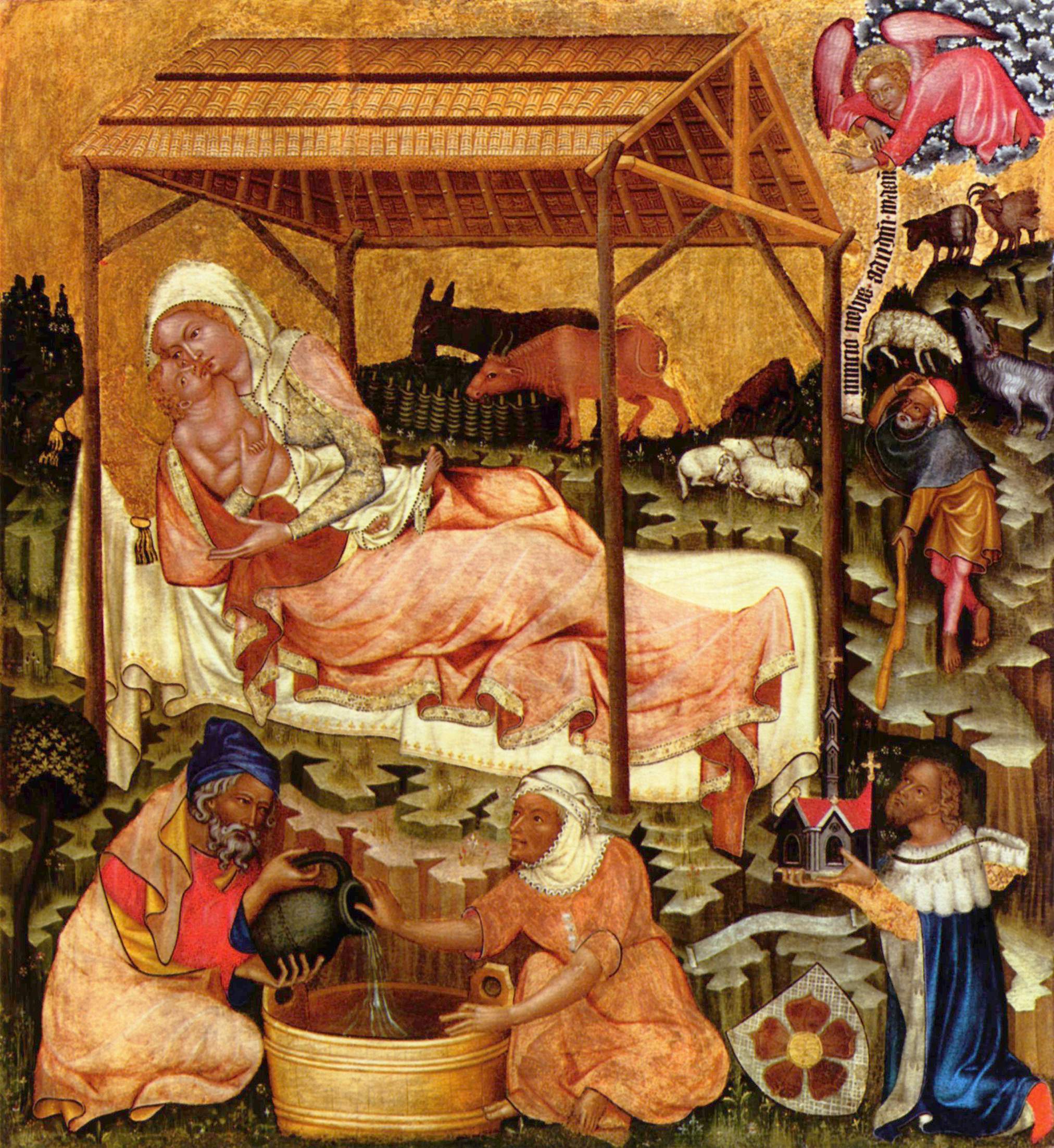
Everyone loves Christmas, when we celebrate the birth of Christ in Bethlehem. In this meditation we use the Catechism of the Catholic Churchand texts of St Josemaria to pray about why God became man and the consequences this has for us. According to the Catechism, God became man for four reasons:
The Scriptures of the Old and New Testaments abound in references to God as “ever rich in mercy.” It is good to remember this, especially when we are discouraged by our sinfulness or tempted to despair of our eternal salvation. In this meditation we consider:
Our Lord’s incarnation and his suffering and death for our redemption
His will “that all be saved and come to the knowledge of the truth”
His forgiving of the sins of many
His teaching on the mercy of God
Pope Francis’ reminder that God will always forgive us and his exhortation to ask God for forgiveness
In the ups and downs of life there are many events which are not in our control, where we can only put our hope in God. In this meditation we use texts of Scripture and Pope Benedict XVI’s encyclical Saved by hope to put our life on a sure foundation. We consider that:
The foundation of our hope is God, who is always with us.
Our hope in God enables us to find peace and joy even amidst the uncertainties and sufferings of life.
The ultimate object of our hope is eternal life with God in heaven.
We can grow in hope through prayer in its various forms.
Mary, our Mother, is our hope: she brings us hope in the person of Jesus, she lives hope herself in many moments, and she intercedes powerfully for us in heaven.
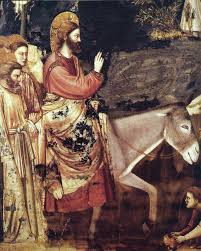
Jesus enters Jerusalem and is well received, a feast we celebrate on Palm Sunday–the start of Holy Week.
In Holy Week we follow Christ from his triumphal entry into Jerusalem on Palm Sunday, through his institution of the Eucharist and the priesthood on Holy Thursday, to his passion and death on Good Friday and his resurrection on Easter Sunday. If we follow him closely throughout our life we will not abandon him as did the apostles and we will rise to eternal life with him when we die. In this meditation we consider how we should:
acknowledge our weakness and our possibility of denying Our Lord as did Peter
attend Mass often and receive Holy Communion well in order to strengthen our love for Jesus
stay awake in our prayer in order to draw ever closer to Christ
follow Christ closely, not at a distance, avoiding lukewarmness
avoid attachment to creature comforts and things in order to have our heart free to love God
take up our cross daily and follow our Lord in his passion
follow Christ closely throughout our life in order to rise with him to eternal life
The annunciation, the Archangel Gabriel telling out Holy Mother the good news of her being chosen to be the mother of our Lord, Jesus Christ.
On the feast of the Annunciation we celebrate Mary’s yes to God, which brought the Son of God into the world and our redemption near at hand. It was a momentous moment in the history of salvation and it all depended on the response of a young girl. In this meditation we consider:
Why we needed to be redeemed and why God chose this way to bring it about
The call of Mary and Joseph from all eternity to fulfil their roles
The eminent virtues of Mary and Joseph
The significance of the angel’s message to Mary
A prayer to Mary by St Bernard calling upon her to say yes
Mary’s response and our own promptness and saying yes to God
With the occasion of the feast of the Exaltation of the Holy Cross we consider how Christ invites us to take up our own cross and follow him. We cannot be soft and comfort seeking if we want to be Christ’s followers. Rather we must be strong willed in order to be effective in bringing Christ to others. In this meditation we consider:
Christ’s exaltation on taking up his cross
His invitation to us follow him
The difficulties we face in the world, the flesh and the devil
The need to be strong willed and how we can grow in fortitude
The example of the Paralympians
Thoughts of St Josemaria in his books The Wayand Furrow
Here we see Mary and Martha serving Jesus. We note Martha holding a basket with bread and Mary sitting at His feet listening.
We are all familiar with the account of Mary and Martha, with Mary sitting at Our Lord’s feet while her sister Martha prepares the meal. We too would love to sit and listen to Jesus but we are busy about many things like Martha. In this meditation we see how our life is essentially like that of Martha, but in order to be a good Martha we must also be Mary. Using many texts of St Josemaria Escriva‘s book Furrow, we consider:
The Second Vatican Council’s teaching that the role of the Christian lay person is to engage in the affairs of the world and order them according to the law of God.
We cannot waste our time but should be busy like Martha.
We should do what God is asking of us, not what we feel like.
We should work well, like Martha.
We should do everything for Jesus, like Martha.
In order to do this we must spend some time each day in prayer like Mary.
When the soldier pierced the heart of Christ as he hung on the cross, the spear pierced the heart of Mary too. Her heart and his were one. In this meditation we consider how:
Mary pondered the mysteries of Christ in her heart
Her heart and his were united throughout their lives
We all tend to judge others, to criticise them, find fault and be judgmental. The encounter of Our Lord with the woman caught in adultery has much to teach us about how to be less quick to judge. In this meditation we will consider:
Our Lord’s encounter with the woman caught in adultery
Reasons why we tend to be judgmental
What we can do to be less ready to judge and more ready to forgive