Tag Archives: podcast

Holy Mass, centre and root of the interior life

Pope St John Paul II saying mass


The Second Vatican Council, using some words of St Josemaria Escriva, called the Mass the centre and root of the interior life. If we make the Mass our centre and root, we will attend it better and we will unite all our acitivities with it. In this meditation we consider how:

  • The Mass is the sacrifice of Calvary made present on the altar
  • It is the Church’s most powerful prayer and we can unite our own intentions with those of the Mass
  • The Mass is the centre of all the sacraments and we can strive to make it the centre of our day and the focal point of  all our activities
  • As the root of the interior life the Mass strengthens our faith by anchoring us firmly in Jesus Christ
  • Through the root of the Mass we receive nourishment for our soul through the prayers, readings and especially Holy Communion
  • We should strive to be truly Eucharistic souls
Rechristianising society

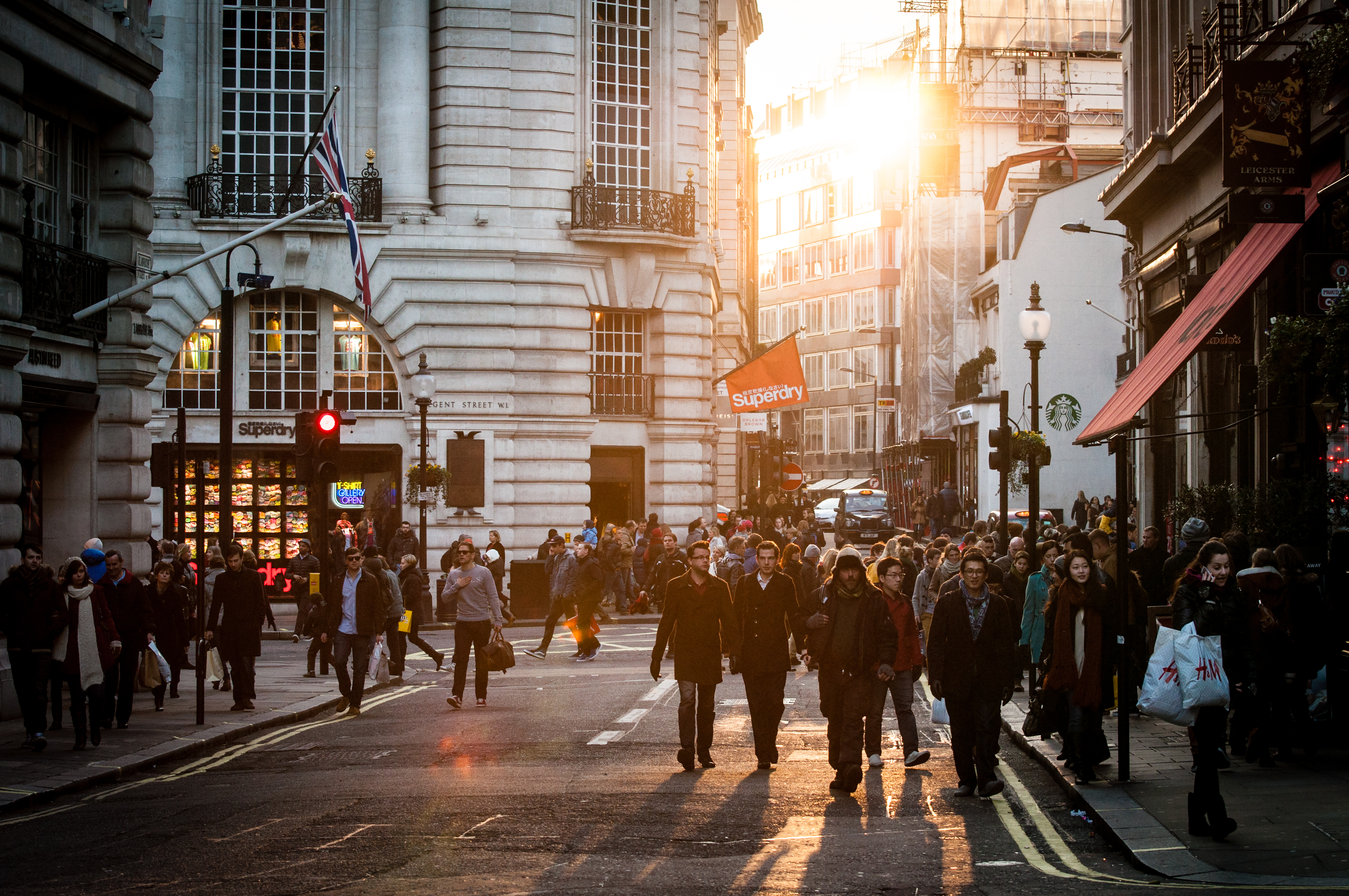
Christ sent the apostles out to the whole world to teach all nations. They went out and in just over three hundred years, amidst bitter persecution of Christians, the Roman Empire declared itself officially Christian. Christendom, a Europe with Christian laws and customs, would last for over a thousand years, and from Europe the faith spread to the rest of the world. Today, however, we see the erosion of Christian values all over the western world. Many people through up their hands in despair, thinking there is nothing they can do. But there is much we can do. In this meditation we use texts of St John Paul II, especially his Apostolic Exhortation Christifideles laicito consider how:

  • We must first live out our faith to the full, seeking true holiness of life
  • We must do everything we can to ensure that Christian values continue to influence public life in our country
  • We can fight for the dignity of the human person, for the defence of life from conception to natural death, for marriage and the family, and for a more Christian presence in the media and internet, in education, and in legislation.


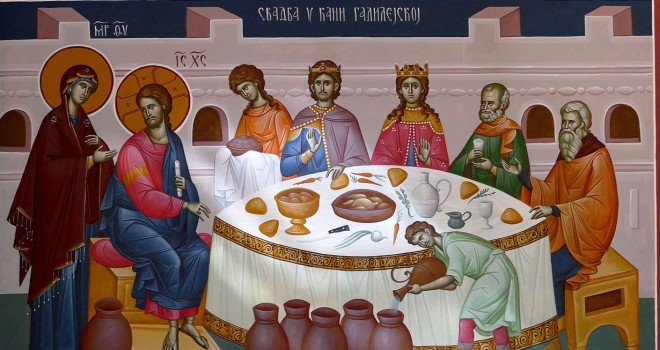
The wedding feast of Cana

Our Lord’s first miracle at the wedding feast of Cana has much to teach us. In this meditation we use texts of St Josemaria, Tertullian and St John Vianney to consider some of these lessons:

  • The beauty of Christian marriage
  • The importance of inviting Jesus to our wedding
  • Our Lady’s motherly concern at Cana and in our own lives
  • The power of Mary’s intercession
  • The importance of doing whatever Jesus asks us
  • Jesus’ power to do miracles today if we ask him with faith
  • The witness of our own faith to those around us

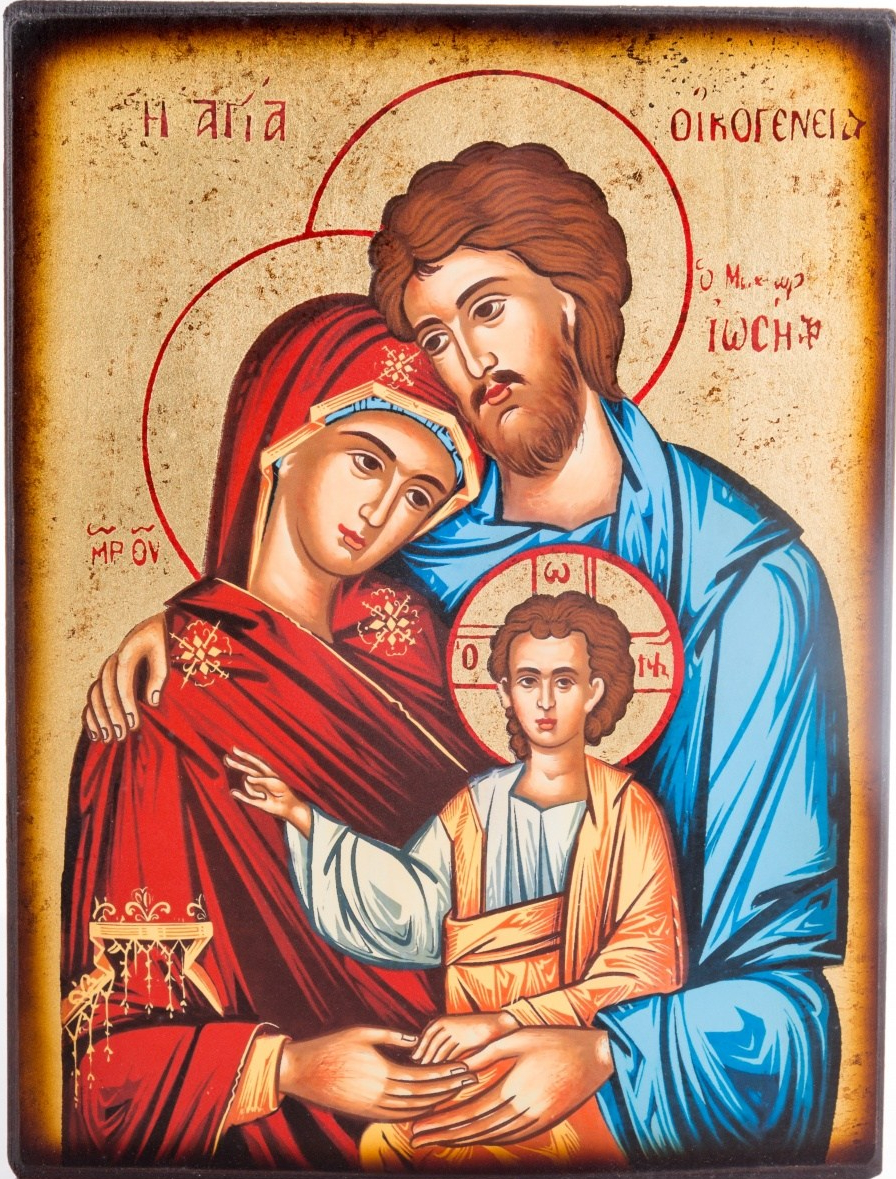
The Holy Family, model of all families


In the words of St John Paul II “The history of mankind, the history of salvation, passes by way of the family”. Yet the family today is under attack in many ways. If it is to fulfil its mission, the family can turn to the Holy Family of Nazareth for inspiration and strength. In this meditation we use texts from St John Paul II, Mother Teresa of Calcutta and Pope Francis to consider:

  • The beauty of the Holy Family, model of all families
  • The attack on the family in today’s world
  • The vital importance of the family for the wellbeing of the spouses, the children and society
  • Some ways the family can model itself on the Holy Family and thus fulfil its mission more effectively.

The first Christmas gift

Nativity scene icon


At Christmas we have the wonderful custom of giving gifts to others. But the first Christmas gift came from God himself, who so loved the world that he gave his only-begotten Son  to dwell amongst us and redeem us by his death on the Cross. In this meditation we consider:

  • The Gospel passage of St Luke narrating the birth of Christ in Bethlehem
  • The Prologue of the Gospel of St John telling us who the Child born in Bethlehem is
  • The many benefits that flow from the Incarnation of God in Jesus
  • How we can show our gratitude for God’s Gift by welcoming Christ into our life, speaking to him in prayer, doing promptly what he asks of us, giving ourselves to him through those around us and sharing the Gift with others by bringing them to Christ

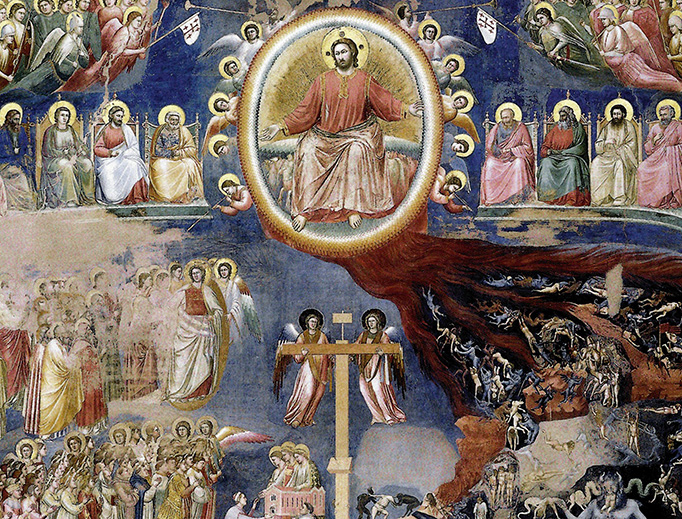
The Last Things

One day God will call each of us through the gateway of death into the next life where, after a particular judgment, we will enter into heaven, either immediately or through the purification of purgatory, or we will go to eternal damnation in hell. Meditating on these realities helps us to focus our lives so that we can be found worthy of heaven when we die. In this meditation we use the Scriptures, the Catechism of the Catholic Church and the writings of saints to consider:

  • Death is not the end but the beginning of eternal life
  • In the particular judgment we will see our life as God sees us and we can prepare for it by being sincere here on earth
  • Hell is a reality and we should do everything possible to avoid going there
  • If our soul is not completely pure when we die we will be purified in the fire of God’s love in purgatory
  • We should pray very much for the souls in purgatory
  • Our goal is the supreme, definitive happiness of heaven, where we will see God face to face.

Love, sin and repentance


The parable of the prodigal son is mercy perosnified.

God so loved the world that he sent his only begotten Son, and Jesus loved us so much that he suffered and died on the cross for us. Jesus invites us to love him in return but we so often show him by our sins that we love him too little. In this meditation we consider how:

  • We cannot avoid all sins – even the saints in heaven committed them – but we can try harder to avoid sinning.
  • God expects more from us than from many others.
  • We should strive especially to avoid committing mortal sins and deliberate venial sins.
  • We should identify the occasions of our sins and strive to avoid them.
  • We should foster true contrition for our sins.
  • We should do penance to make up at least in part for our sins and to strengthen our will to resist future temptations.
  • We should strive to go regularly to the sacrament of penance, knowing that there God always pours out his mercy on us.

Hope in God


In the ups and downs of life there are many events which are not in our control, where we can only put our hope in God. In this meditation we use texts of Scripture and Pope Benedict XVI’s encyclical Saved by hope to put our life on a sure foundation. We consider that:

  • The foundation of our hope is God, who is always with us.
  • Our hope in God enables us to find peace and joy even amidst the uncertainties and sufferings of life.
  • The ultimate object of our hope is eternal life with God in heaven.
  • Many passages in Scripture speak to us of hope.
  • We can grow in hope through prayer in its various forms.
  • Mary, our Mother, is our hope: she brings us hope in the person of Jesus, she lives hope herself in many moments, and she intercedes powerfully for us in heaven.


Growing in fortitude


God is calling all of us to “go out and bear fruit”, to bring the truth and love of Christ into the world. In a word, to change the world for the better. But it is not easy. It is hard enough to change ourselves. For this reason we need the virtue of fortitude, which strengthens the will. In this meditation we consider:

  • Our mission to go out and bear fruit
  • The need for fortitude, for will power to achieve our goals
  • Some of the important goals we will find difficult to achieve
  • The obstacles we will encounter: the world, the flesh and the devil
  • How we can grow in this virtue


Faith in the Church

St Peter’s Basilica


The Church has been under fierce attack in recent months with news of widespread sexual abuse by clergy and cover ups by the hierarchy, leading many people to become discouraged and critical of the Church. In this meditation we look at the situation with eyes of faith, considering how:

  • In the history of the Church there have been many crises, some of them much worse than the present one.
  • The Church has always been made up of sinners.
  • The Church, as the Mystical Body of Christ, goes beyond the faithful on earth who make her up at any one time.
  • The Church is founded on rock and will last until the end of time.
  • The British historian Thomas Macaulay and St Josemaria Escriva examine the history of the Church and see an institution which has predated all other institutions on earth and will outlast them all.
  • Pope Francis has called on all the faithful to pray very much and do penance for the Church.