Tag Archives: Pope Francis

Love for the Sacred Heart

Our Lord has loved us to the end, to the last drop of his blood and water, and he invites us to love him in return. In this meditation we use texts of Scripture, Pope Francis’ encyclical Dilexit nos, St Margaret Mary Alacoque and St Josemaria Escriva to consider how:

  • Christ’s Sacred Heart is a true human heart, loving all mankind, and each individual, with infinite divine love.
  • When Christ has loved us so much, we should strive to love him in return.
  • Our Lord asked St Margaret Mary for the feast of the Sacred Heart, in order to increase love for him throughout the world.
  • We can learn much from Pope Francis’ beautiful encyclical on the Sacred Heart Dilexit nos (2024)
  • Love for the world and for material things hinders our love for God
  • We can grow in love for God and our neighbour in practical ways.

Easter with Pope Francis

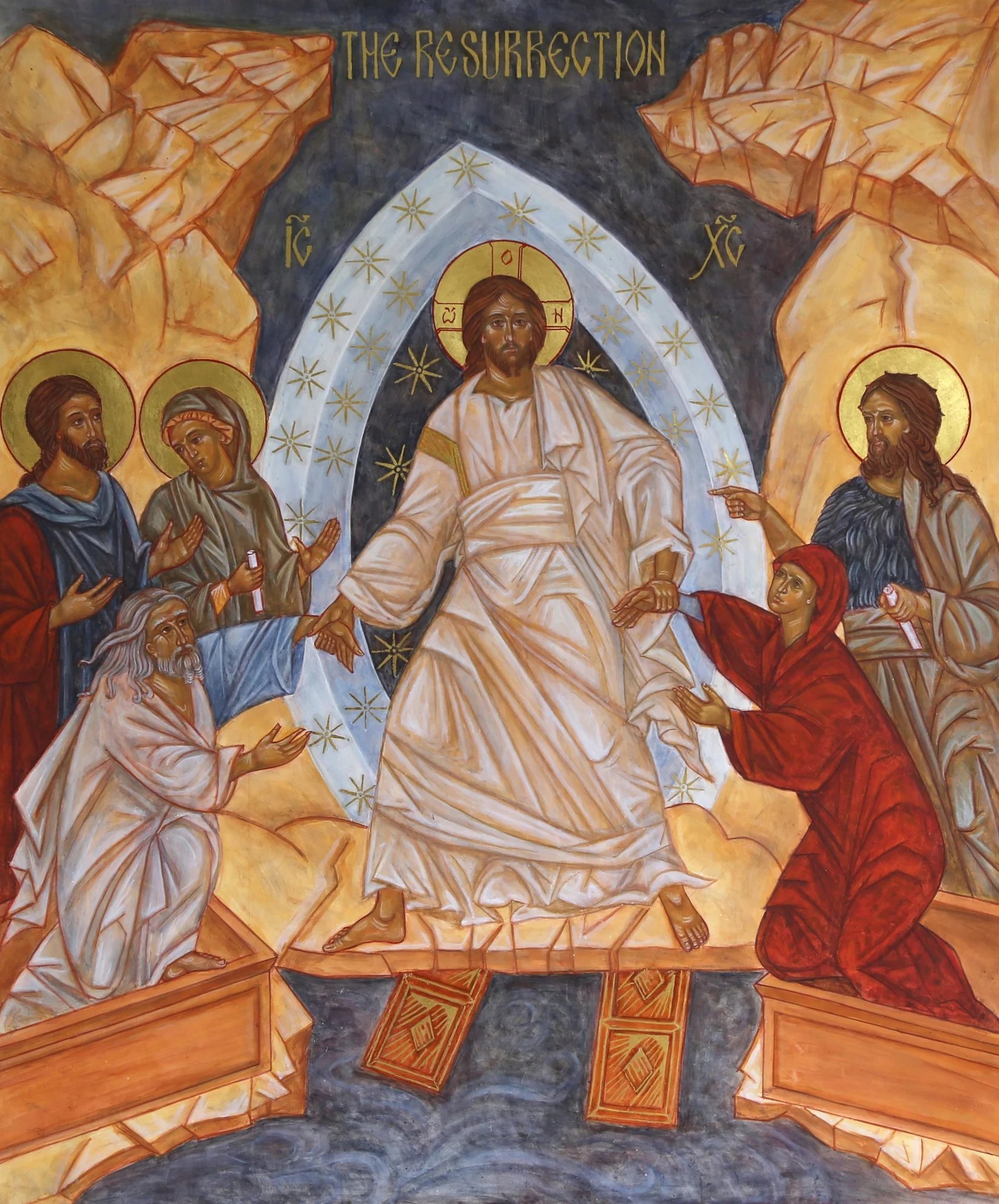
Resurrection icon

For Easter Sunday 2005, Pope Francis wrote a beautiful homily to be read in the morning Mass in St Peter’s Square by the celebrant, Cardinal Angelo Comastri. Less than 24 hours later, God called Pope Francis to eternal life with him. In this meditation, we use the text of that homily to consider how:

  • Mary Magdalene, and the apostles Peter and John, all ran in their eagerness to find Jesus
  • We too should be eager to find Jesus, who waits for us in our prayer, in the Scriptures, in Mass, in our workplace, in our family…
  • We should welcome Jesus into our heart so that we, in turn, can share him with others
  • Jesus’ resurrection from the dead fills our life with the hope that we too can overcome the difficulties and crosses that weigh us down
  • The ultimate object of our hope is eternal life with God in heaven

The Journey to Easter

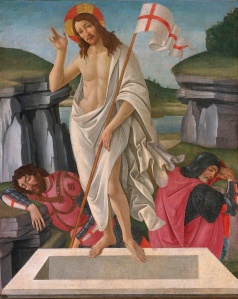
A depiction of the risen Christ

Lent is an annual opportunity to accompany Jesus in his forty days of prayer and fasting in the desert and in his suffering and death on Mount Calvary to his resurrection on Easter Sunday. In this meditation we use texts of Scripture and of Pope Francis’ Message for Lent 2025 to consider how:

  • Lent symbolises our own journey through life to our death and resurrection to eternal life.
  • It is a journey filled with hope
  • If we live it well, we will have a true springtime, a new blossoming of our spiritual life
  • As Jesus was generous in suffering and dying out of love for us, we should show our love for him by being generous in the way we live Lent
  • We can choose areas of struggle from the the three traditional aspects of prayer, fasting and almsgiving, or charity

Hope in the Lord

Hope in the Lord

Everyone has issues in life which give rise to uncertainty about the future, to doubts and even anxiety. In this meditation we pray about the virtue which gives reassurance in these situations, the important virtue of hope. We use Pope Francis’ document  for the Jubilee Year 2025, Spes non confundit, a beautiful commentary on hope, to consider how:

  • In the face of problems, hope in God fills us with confidence that there will be a solution
  • The ultimate object of hope is eternal life with God in heaven
  • Hope is founded on God’s love for everyone
  • Mary is the model and intercessor before God to give us hope

What is synodality?

Here is another of my recent answers in the Catholic Weekly to a question posed by a reader.

With the Synod of Bishops meeting on synodality fast approaching, I have been speaking with a group of friends and none of us is clear as to what the term synodality actually means. Can you help us?

To answer your question I will draw mainly on the International Theological Commission’s document “Synodality in the life and mission of the Church”, issued with the approval of Pope Francis on 2 March 2018.

The word “synod”, or synodos in Greek, is an ancient word in the tradition of the Church. It is composed of the preposition syn, meaning “with”, and the noun odos, or “path”. It thus means the path along which the People of God walk together.  writes that the Church is a “name standing for ‘walking together’” (Exp. In Psalm., 149, 1). In the early second century, St Ignatius of Antioch applied the term to the various local Churches, which are synodoi, or companions on the journey of the one universal Church (Ad Ephesios IX, 2).
From the beginning of the Church, the word “synod” was also applied to Church gatherings at various levels, both local and universal. Thus, one could speak of the Synod of Toledo, or the Synod of Nicaea. Here, as the document says, the word “synod” means the same as “council”. Since the Second Vatican Council, the word “synod” has been applied especially to the periodic gatherings of a selection of bishops from all over the world to meet with the Pope and advise him on certain issues. The Synod of Bishops which is to meet in October is one of these.

The word “synodality” is what the document calls a “neologism”, or newly-coined word. It is derived from the adjective “synodal” and has come to mean something like “walking together”. It is considered to be a constitutive dimension of the Church. While the Second Vatican Council did not use the word, the concept of synodality was at the heart of the Council’s teaching, coming to mean much the same as communion, or union with God the Blessed Trinity and union with others in the Church.

Synodality is also at the heart of the ecumenical commitment of the Church, because it represents an invitation to walk together on the path towards full communion with people of other faiths and because, when understood correctly, it offers a way of understanding the Church where legitimate differences find room in an exchange of gifts in the light of truth.

By way of summary, the document says that in the communion of the people of God with the Blessed Trinity “can be found the source, the form and the scope of synodality, inasmuch as it expresses the specific modus vivendi et operandi of the People of God in the responsible and ordered participation of all its members in discerning and putting into practice ways of fulfilling its mission.” (n. 43). In a nutshell, it means everyone working together toward a common goal.

The Church journeys together with Christ towards the end of time and towards the ends of the earth, in the union of the local Churches with each other and with the Church of Rome. The Church’s synodality is lived out especially in the service of her evangelising mission, with all the baptised involved as missionary disciples. This missionary aspect of synodality is emphasised numerous times in the document.

Consulting and listening to the faithful, including the lay faithful, who make up a great majority of the Church, before the hierarchy makes decisions, is an essential aspect of the synodal process. Nonetheless, while the hierarchy should listen to the faithful before making decisions, the task of making the decisions belongs to the pastors. As the document says, “Working things out is a synodal task; decision is a ministerial responsibility” (n. 69). This process should take place at all levels of the Church: local, regional and universal. And it should always be faithful to the deposit of faith received from Christ and respectful of the authority of pastors.

Thus, while pastors should listen to others before making decisions, synodality is not a democratic free-for-all where everyone has an equal say in decision-making. Pope Francis said as much in his homily on Pentecost Sunday 2023: “And the Synod now taking place is – and should be – a journey in accordance with the Spirit, not a Parliament for demanding rights and claiming needs in accordance with the agenda of the world, nor an occasion for following wherever the wind is blowing, but the opportunity to be docile to the breath of the Spirit.”

St Joseph, great saint and powerful intercessor

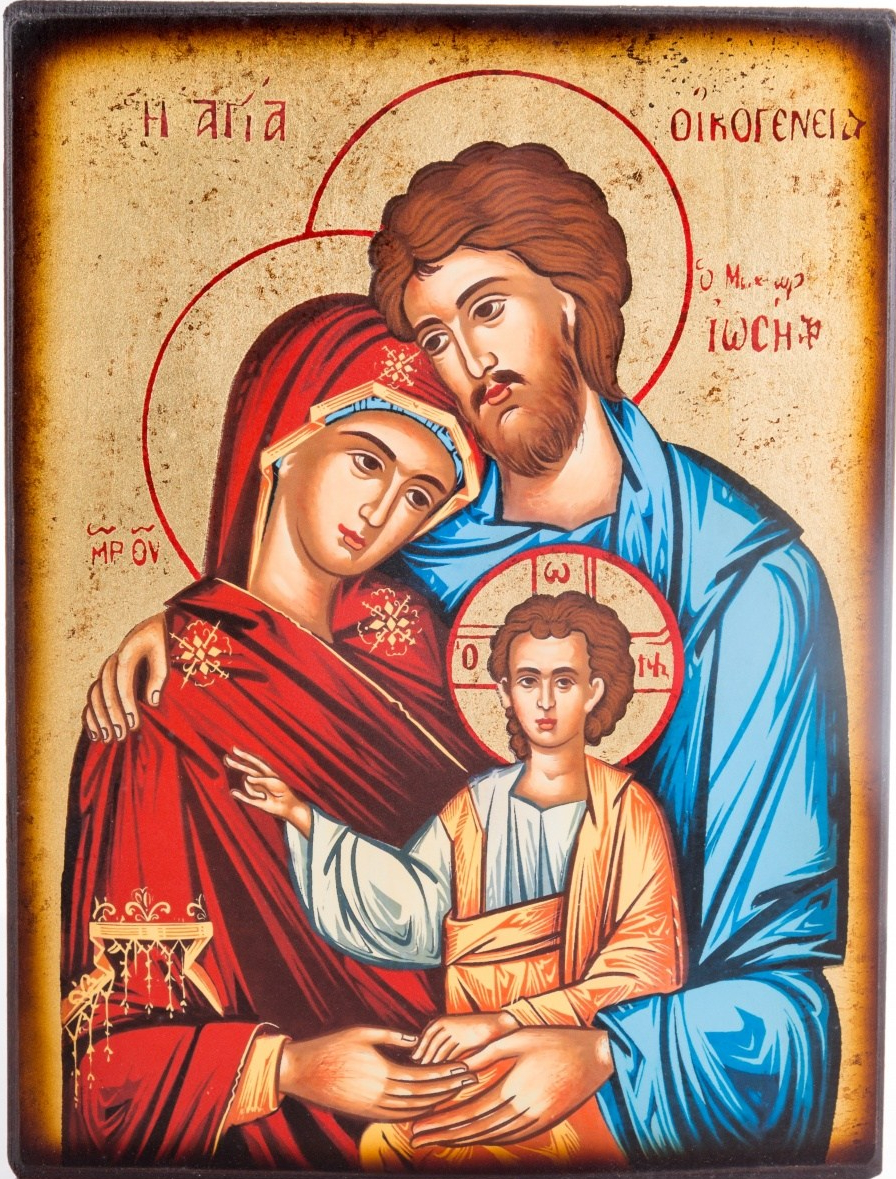
St Josemaria Escriva calls St  Joseph “our father and lord”. We can learn much from this great saint and entrust all our needs to him. In this meditation we consider how:

  • St Joseph was chosen by God from all eternity to be the spiritual father of Jesus and the guardian of the Holy Family
  • God gave St Joseph special graces and virtues for his mission
  • Like Our Lady, St Joseph is a model of all the virtues and we have much to learn from him
  • St Joseph was the greatest saint after Our Lady
  • St Joseph is a most powerful intercessor, as attested by St Teresa of Avila, Pope Pius XI and Pope Francis, and we can entrust all our needs to him, assured of being heard


Living Lent with generosity


The word Lent comes from the ancient word Lencten, meaning springtime. If we live Lent well we have a true springtime, with new growth in our spiritual life. In this meditation we consider how:

  • In Lent we accompany Jesus in his forty days of prayer and fasting in the desert.
  • We respond to his invitation, if we want to be his disciples, to deny ourselves, take up our cross daily and follow him.
  • We can choose something from each of the three traditional areas of prayer, fasting and charity.
  • If we live Lent with generosity, we will be much closer to God on Easter Sunday than we were on Ash Wednesday.

Use Up/Down Arrow keys to increase or decrease volume.

This entry was posted in Meditations and tagged CharityFastingJohn FladerLentMeditationpodcastPope FrancisPrayerSt Peter Chrysologus on Edit


St Joseph’s docility to the will of God

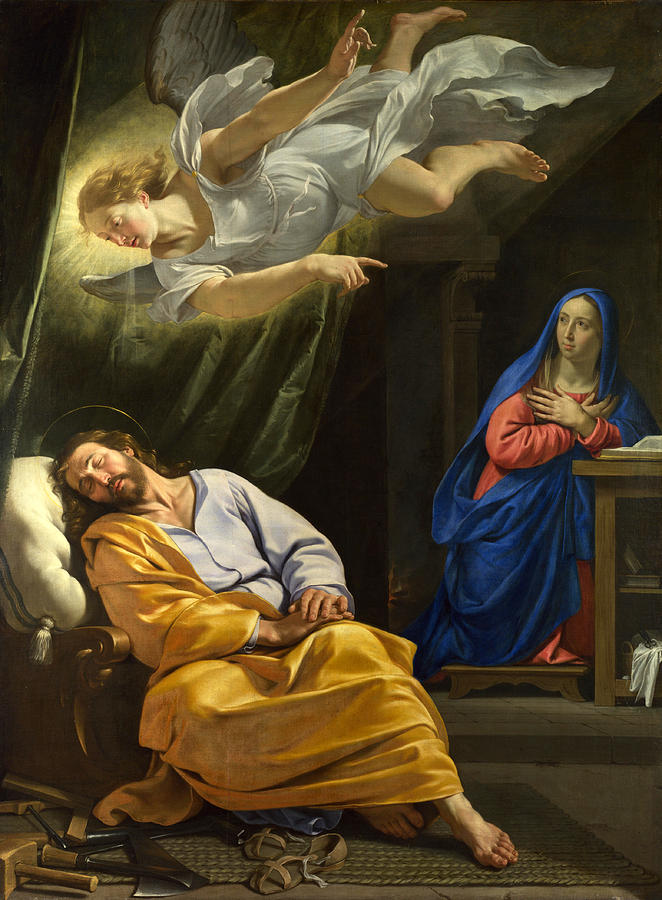
St Joseph's Dream

One of St Joseph’s remarkable qualities was his docility to the will of God. In this meditation we consider:

  • How St Joseph responded to God’s will in various moments
  • Comments of Pope Francis, St Josemaria Escriva and St John Chrysostom on St Joseph’s docility
  • How we come to know the will of God in our own life
  • How our docility, like that of St Joseph, should be prompt, complete, responsible, free and loving

The Good Samaritan


We all love the parable of the Good Samaritan, but how well do we live out its message? In this meditation we use Pope Francis’ commentary on the parable in his encyclical Fratelli tutti to see the many lessons it contains and to suggest practical ways of putting these lessons into practice.

With Christ in the storm


On 27 March 2020 at St Peter’s Basilica in Rome Pope Francis conducted an hour of prayer broadcast around the world to pray for God’s help in the midst of the coronavirus pandemic sweeping the world. He based his homily on that occasion on the Gospel passage of Christ calming the storm on the Sea of Galilee when the apostles begged him for help. In this meditation we use Pope Francis’ homily to consider how:

  • We should trust more in God in all our problems
  • Christ is always with us and he truly cares for us even when we may wonder where he is
  • We can use the present crisis to examine our priorities and to choose what is of lasting value
  • We should draw closer to God through an increased life of prayer
  • In our difficulties Christ is sharing his Cross with us
  • We should reach out more to others to help them in these special times