Tag Archives: Prayer

The meaning of Christmas


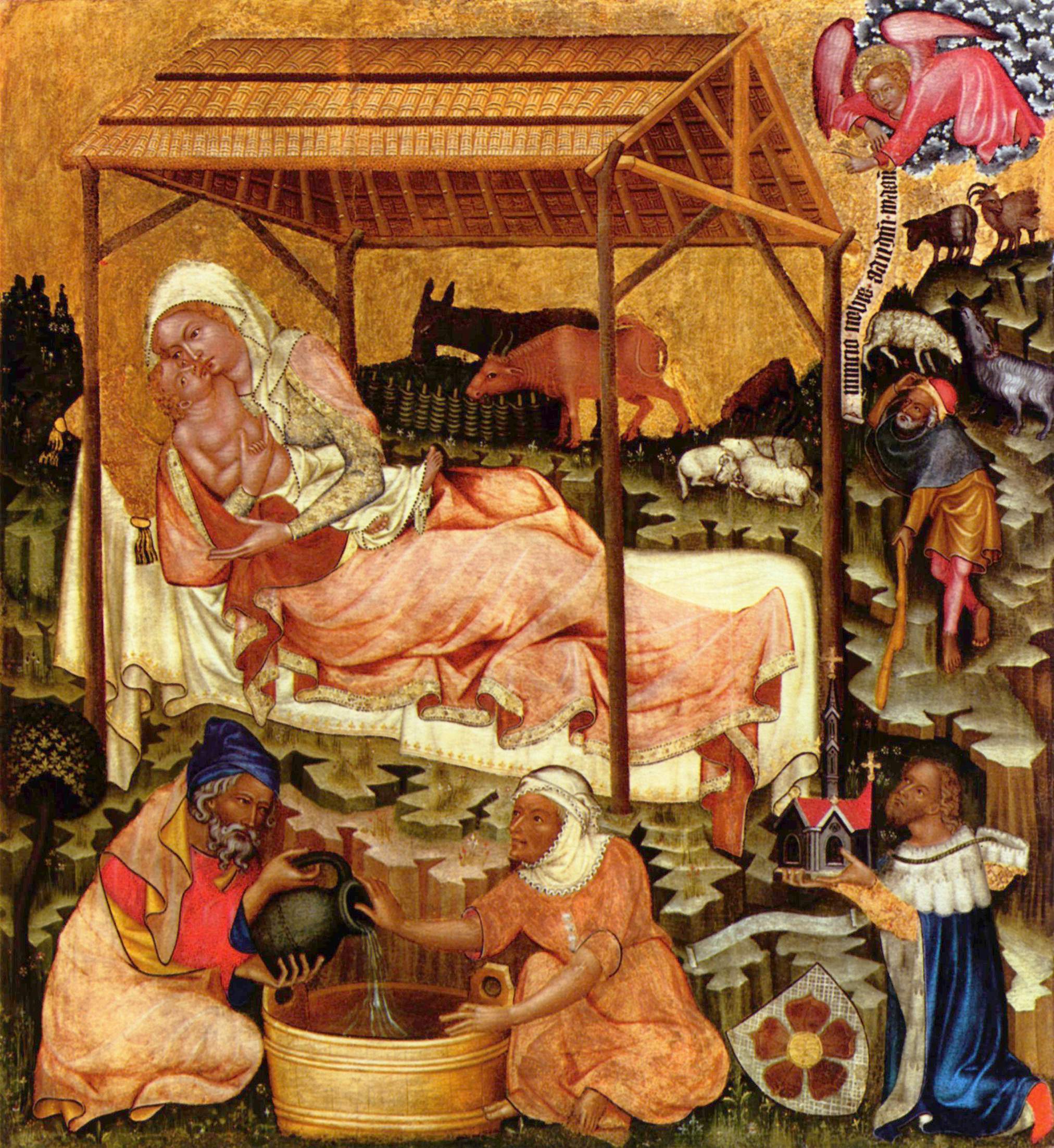
Everyone loves Christmas, when we celebrate the birth of Christ in Bethlehem. In this meditation we use the Catechism of the Catholic Church and texts of St Josemaria to pray about why God became man and the consequences this has for us. According to the Catechism, God became man for four reasons:

  • to save us by reconciling us with God
  • so that we might know God’s love
  • to be our model of holiness
  • to make us partakers of the divine nature
The Communion of Saints

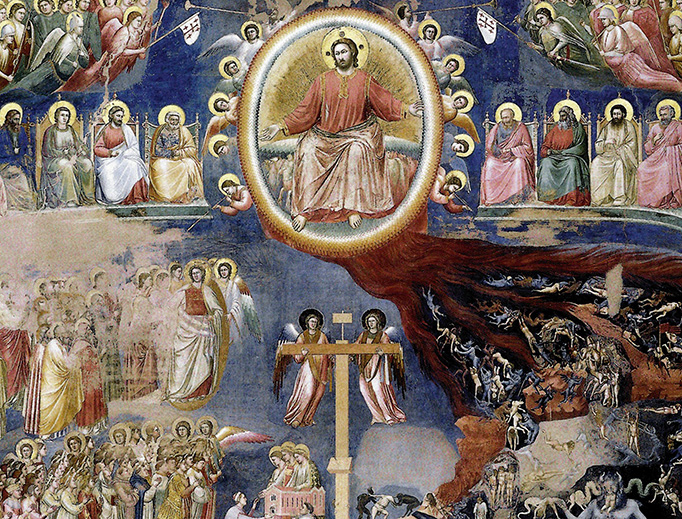
Pope Francis called the Communion of Saints one of the most consoling truths of our faith. Indeed it is. In this meditation we use texts of the Catechism of the Catholic Church, St Bernard, St Therese of Lisieux, St Josemaria, Pope Francis and Kimberly Hahn to pray about this union of the saints in heaven, the souls in purgatory and the faithful on earth, all helping one another on the way to heaven. We consider how:

  • The Communion of Saints is both communion in holy things and communion of holy persons.
  • We should endeavour to grow in holiness and increase our desire to be one day with the saints in heaven.
  • We should pray much for the souls in purgatory.
  • We should pray for those on earth and help them to come close to God so that they too may be one day in heaven.
  • By our good deeds we contribute to the Communion of Saints and by our sins we withdraw from it.

Stand up for the faith

Christ teaching the apostles

Jesus warned his followers on one occasion that they would be hated and persecuted for the sake of his name. Today this is happening on a grand scale, in part because the Catholic Church is the largest single religion in the world and in part because the Church stands firmly for what the world is against: the sanctity of life and of marriage, the importance of chastity, the rights of parents in the education of their children… In this meditation we use Pope Francis’ Apostolic Exhortation Gaudete et exsultate to consider how:

  • The Church is being attacked for its stand on many issues
  • The world needs what the Church teaches in order to find the happiness and peace it desires
  • We must learn what the Church teaches and defend this teaching with charity and strength
  • We must seek holiness, “the most attractive face of the Church” in order to show the world the beauty of our faith and to avoid being swept along by the current of the world

Growing in hope

We all have situations in which we wish something were different but we are not in a position to change it by ourselves: our job, finances, health, relationships, etc. In these circumstances we can sometimes become discouraged. It is then that we need to grow in hope, to trust more in God. In this meditation we pray about this important virtue, drawing on Scripture, the Catechism, Pope Benedict XVI’s encyclical Spe Salvi  and St Josemaria’s book The Way to consider:

  • The nature of hope
  • How God is always with us and will give us what is best
  • How we should know that God is close to us especially when we are suffering
  • How we can grow in hope especially through prayer

Discovering our calling

Jesus told the apostles in the Last Supper that they had not chosen him, but that he had chosen them for a particular mission:  to go out and bear fruit. God has created each individual for a purpose: to fulfil some definite part of his plan for the salvation of all souls. In this meditation we use texts of Scripture. St John Henry Newman, Pope Francis and St Josemaria to see how:

  • God has a particular plan for each of us, which only we can fulfil
  • To fulfil this plan we must first seek holiness, love for God which consists in doing his will
  • If we think ourselves unworthy and incapable, so were the apostles
  • Many great things depend on whether we fulfil the mission God has planned for us

Sacrament of joy


The parable of the prodigal son is mercy perosnified.

The sacrament of Penance is truly a sacrament of joy, a sacrament of mercy. In this meditation we use texts of Scripture, St John Paul II, Pope Francis and St John Vianney to consider how:

  • Christ gave the sacrament of penance  to the Church on the very evening of his Resurrection
  • The sacrament corresponds to deep-seated human needs
  • We obtain many benefits when we go to Confession
  • We do well to receive the sacrament frequently
  • We should do all we can to take others to Confession


Love for our neighbour


St Paul tells us that the greatest of the virtues is charity. If we are to live this virtue well, we must first grow in love for God so that his love fills us and overflows into those around us. In this meditation we consider how:

  • The more we love God, the easier it will be to love our neighbour
  • We can learn charity from saints like Mother Teresa of Calcutta and St Josemaria, who loved God with their whole heart and their neighbour as themselves
  • We can grow in four aspects of charity: patience, love for people of all backgrounds, forgiveness and kindness

Sorrow for our sins

Face of Christ in the Passion


We all sin, but how much true sorrow do we have? In this meditation we use texts of St Augustine, the Roman Catechism, St John Vianney and St Josemaria Escriva to consider three aspects of penance: the virtue of penance, or sorrow for our sins, the sacrament of penance and the acts of penance, striving to:

  • Contemplate the sorrowful face of Jesus, as St Peter did
  • Consider how many sins we have committed and how our sins hurt Our Lord more than those of people who are distant from him
  • Foster a true purpose of amendment, a sincere resolution to try hard not to sin again
  • Go regularly to the sacrament of penance and invite others to go with us
  • Be generous in our acts of penance, of self-denial, as we have been generous in committing sins

On the road to Emmaus

In the afternoon of the Resurrection, two discouraged disciples of Jesus left Jerusalem for the nearby town of Emmaus. Christ met them on the way and engaged them in conversation, showing them from the Scriptures how the Messiah was meant to suffer and die. When they reached Emmaus the discipes begged Jesus to stay with them and when they recognised him in the breaking of the bread they returned to Jerusalem. In this meditation we consider how:

  • Christ is always there for us when we are going through hard times.
  • We should beg Jesus to stay with us and we should keep him close always, especially when we are experiencing difficulties.
  • Like the disciples did with Jesus, we should open our hearts to the one who guides us in our spiritual life
  • Our hearts, like those of the disciples, will burn within us when we encounter our Lord in prayer, the Scriptures and the sacraments.
  • Our Lord sends us out, as he did the apostles, to announce to others the good news of his love for mankind.

Holy Mass, centre and root of the interior life

Pope St John Paul II saying mass


The Second Vatican Council, using some words of St Josemaria Escriva, called the Mass the centre and root of the interior life. If we make the Mass our centre and root, we will attend it better and we will unite all our acitivities with it. In this meditation we consider how:

  • The Mass is the sacrifice of Calvary made present on the altar
  • It is the Church’s most powerful prayer and we can unite our own intentions with those of the Mass
  • The Mass is the centre of all the sacraments and we can strive to make it the centre of our day and the focal point of  all our activities
  • As the root of the interior life the Mass strengthens our faith by anchoring us firmly in Jesus Christ
  • Through the root of the Mass we receive nourishment for our soul through the prayers, readings and especially Holy Communion
  • We should strive to be truly Eucharistic souls