Tag Archives: Meditation

The multiplication of the loaves

When Christ multiplied the loaves and fish to feed a vast throng, he asked the apostles to bring the loaves and fish to him and to distribute them to the people. Today too, he wants to feed the people of our generation, who are hungry for his word, and he needs us to help him. In this meditation we use texts of Scripture and of St Josemaria Escriva to consider how:

  • Like the apostles, we need to be docile in carrying out what Our Lord is asking of us
  • Our Lady, the Handmaid of the Lord, was docile to God and brought the Word of God into the world.
  • We will be more useful in this work if we are very united to Christ through our spiritual life and we are humble
  • We should ask God throughout the day what he is expecting from us
  • If we are docile, God will multiply our efforts, as he did with the apostles

Learning patience

We all have situations in which we find it difficult to be patient. In this meditation we use texts of Scripture and St Josemaria Escriva’s book The Way to consider:

  • How patience is part of the virtue of fortitude
  • How there are degrees of patience
  • How difficulties in life can help sanctify us
  • How love for God is essential to grow in this virtue
  • How we can grow in patience if we consider how patient God is with us

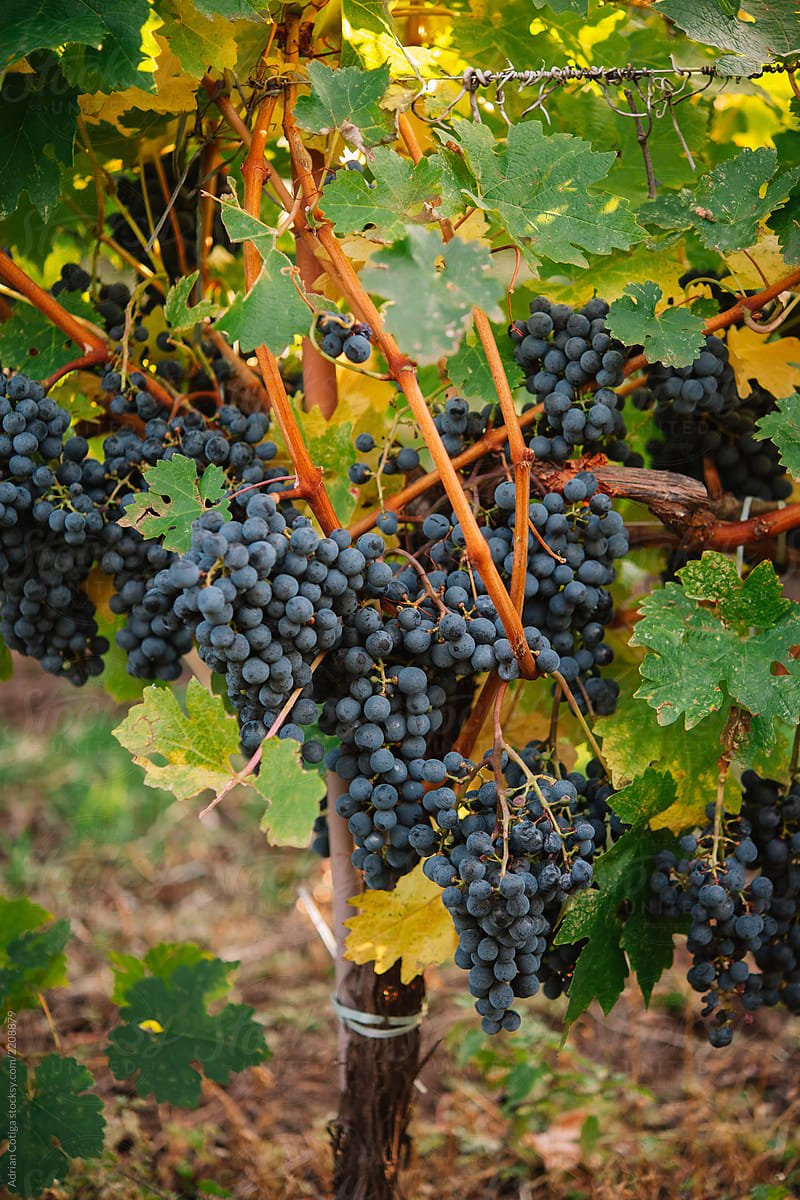
United to the vine

Christ chose his apostles and gave them the mission to go out and bear fruit, fruit that would abide. He warned them that they would be persecuted as he was. After his ascension into heaven they went to the upper room to pray. We too have been sent out, into a very damaged world, and we too need to be very united to the vine of Christ if we are to hold on to our faith and share it with others. In this meditation we consider how:

  • We are united to the vine of Christ through our life of prayer and penance
  • We need a daily plan for our spiritual life just as we do for our bodily life
  • Having a plan gives us order and peace
  • Our plan might include such activities as mental prayer, Holy Mass, spiritual reading, the rosary, reading of Scripture, and a  visit to the Blessed Sacrament.

The wages of sin

The parable of the prodigal son is mercy perosnified.


Jesus has loved us “to the end” and we should love him in return, but in spite of our good intentions we all sin. In this meditation we use texts from Scripture,  St Augustine, St John Vianney and St Josemaria Escriva to consider how:

  • We cannot avoid sinning
  • For a sin to be mortal three conditions must be met
  • Mortal sin has serious consequences
  • Venial sins too have great importance
  • We should make a special effort to avoid deliberate sins
  • We can be moved to greater sorrow for our sins by meditating on the Passion of Christ
  • Our sorrow should include the effort to avoid the occasions of sin and to try not to commit the sins again 
  • If we are truly repentant we will experience the joy of the Prodigal Son

Mary, model of charity

The Second Vatican Council called Our Lady “model of the virtues”. In this meditation we use texts from the New Testament to consider how Mary teaches us various aspects of the virtue of charity:

  • In the Annunciation, her love for God moves her to say yes and to bring the God who is Love into the world
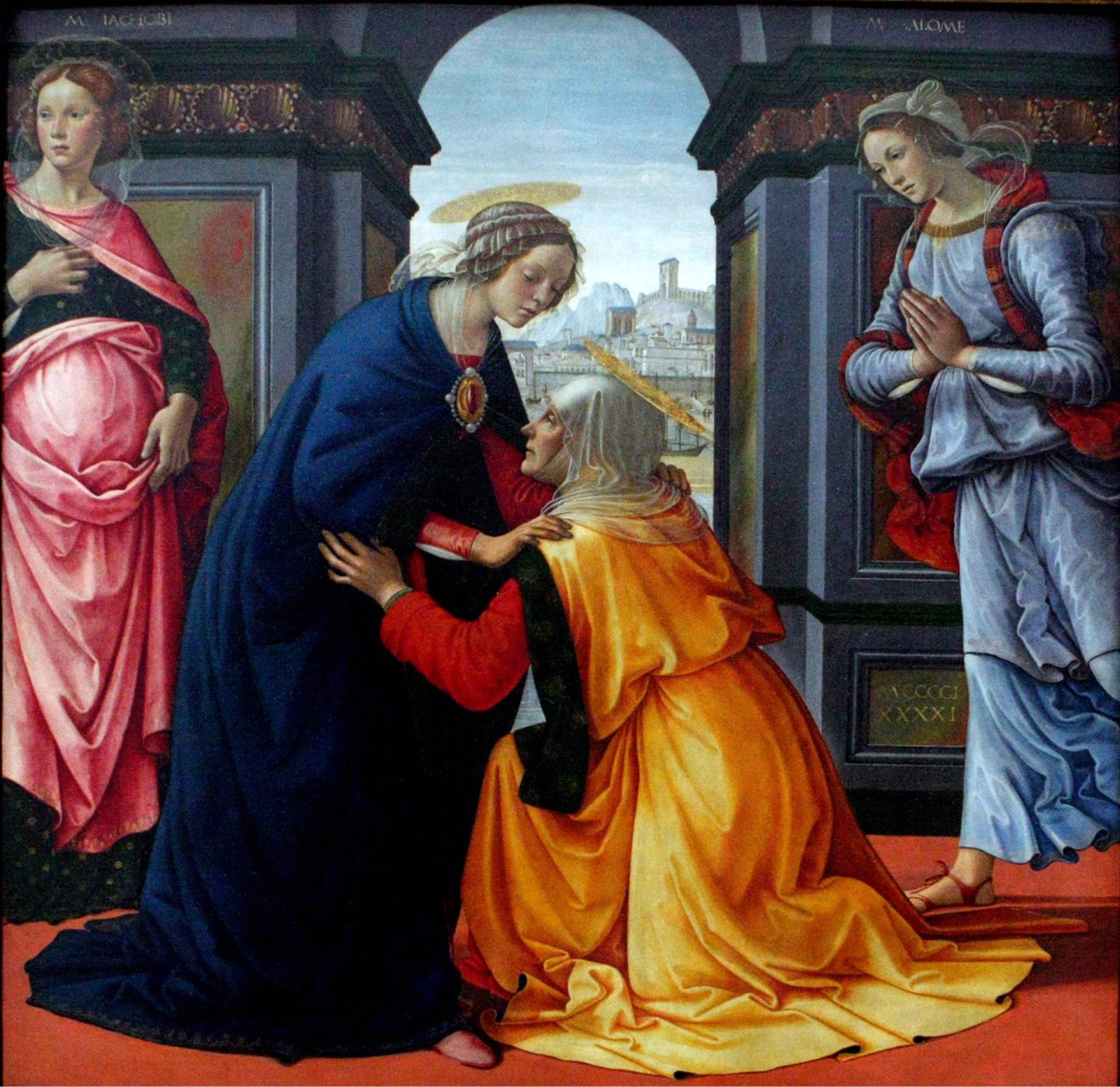
  • In the Visitation to Elizabeth, Mary forgets herself and spends three months helping her aging relative prepare for the birth of John the Baptist
  • In Bethlehem, she contemplates Love in human form
  • At Cana, she is sensitive to the wedding couple and asks Jesus to help them
  • At Calvary, she sacrifices herself to accompany Jesus on the Cross
  • In the Upper Room, she prays with and for the apostles as they await the coming of the Holy Spirit

Communion with Christ


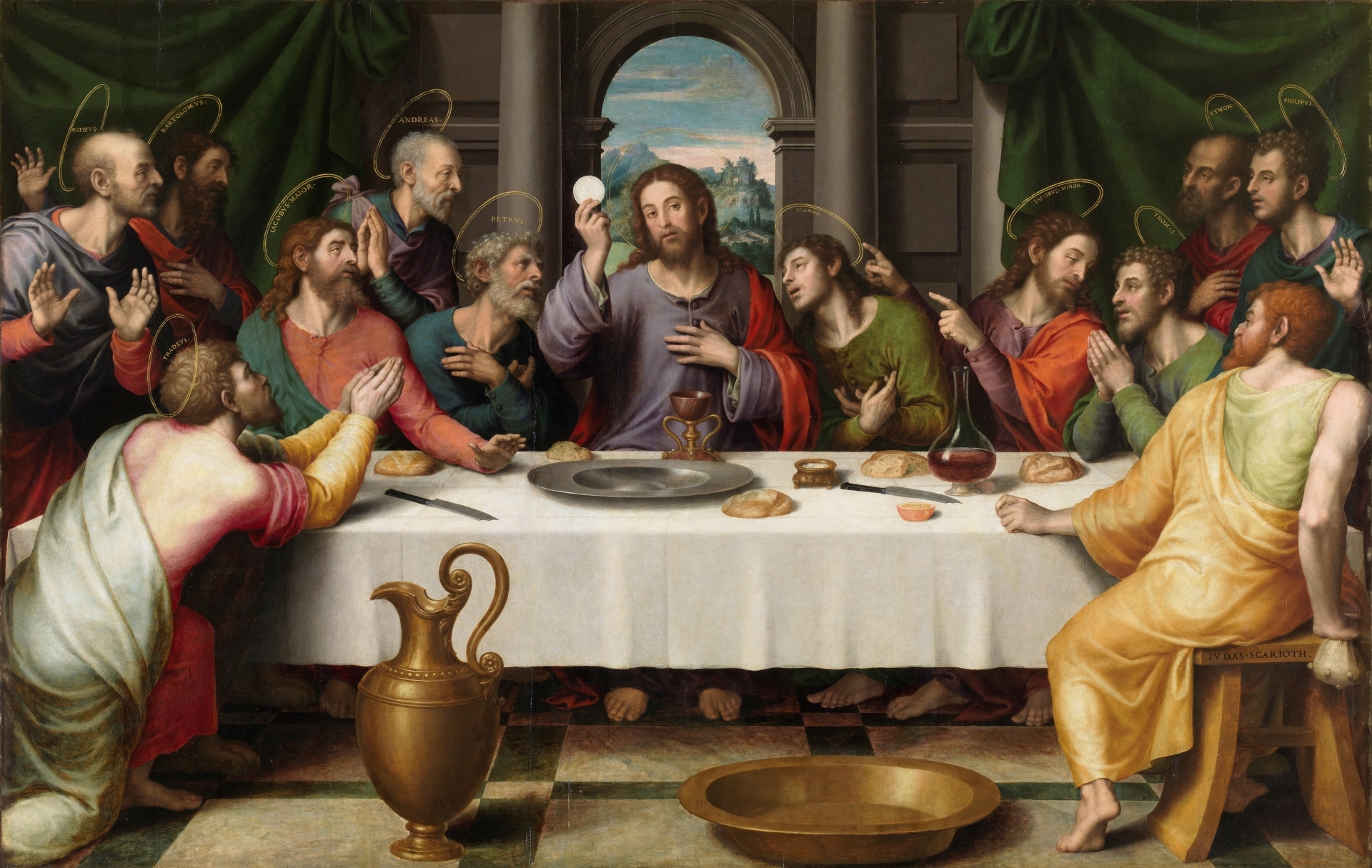
In the Last Supper, Christ instituted the Eucharist and gave the apostles his Body and Blood as Holy Communion for the first time. In this meditation we use texts of Scripture, the Catechism, St Josemaria Escriva and St John Vianney, the Cure of Ars, to consider how:

  • In Holy Communion we receive the living Jesus himself, Body and Blood, Soul and Divinity
  • Since Christ is one with the Father and the Holy Spirit, we receive the whole Blessed Trinity
  • Communion fills us with grace, forgives venial sins, helps us avoid mortal sins and is a promise of heaven, an anticipation of heaven and the means to reach heaven
  • We should receive Communion as often as we can and prepare well to receive this truly  Blessed Sacrament


Eucharistic souls

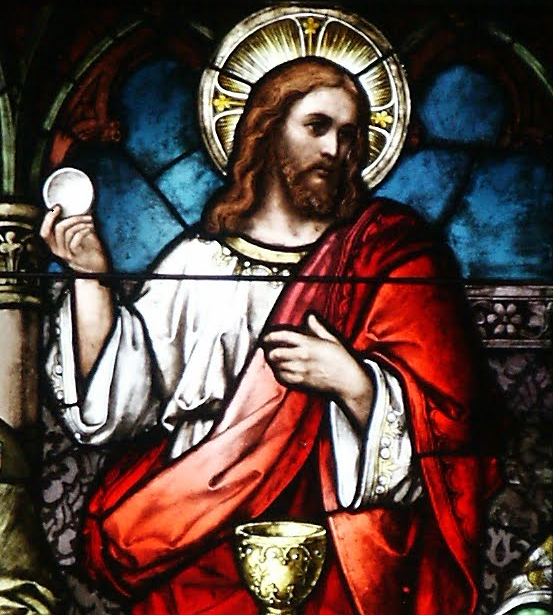
Christ holding Communion host

On Holy Thursday we celebrated the institution of the Eucharist by Christ in the Last Supper, in what was his last celebration of the Passover. Even though In these extraordinary times of a pandemic most of us are unable to attend Mass, we can still be very united to the Masses being celebrated and so be, in the words of St Josemaria, “Eucharistic souls”. In this meditation we consider how:

  • The Jewish Passover was a figure of the Eucharist and it has many aspects that were fulfilled and made a reality in the Eucharist
  • The sacraments of Baptism and the Eucharist flowed from Christ’s open side as he hung on the Cross
  • We can be personally united with the four ends of the Mass
  • We can make the Eucharist the “centre and root” of the interior life, as St Josemaria suggested, and so be “Eucharistic souls”

With Christ in the storm


On 27 March 2020 at St Peter’s Basilica in Rome Pope Francis conducted an hour of prayer broadcast around the world to pray for God’s help in the midst of the coronavirus pandemic sweeping the world. He based his homily on that occasion on the Gospel passage of Christ calming the storm on the Sea of Galilee when the apostles begged him for help. In this meditation we use Pope Francis’ homily to consider how:

  • We should trust more in God in all our problems
  • Christ is always with us and he truly cares for us even when we may wonder where he is
  • We can use the present crisis to examine our priorities and to choose what is of lasting value
  • We should draw closer to God through an increased life of prayer
  • In our difficulties Christ is sharing his Cross with us
  • We should reach out more to others to help them in these special times

The feast of the Annunciation


When the Angel Gabriel appeared to Mary in the Annunciation, he invited her to welcome the Son of God into her womb and into the world. She said yes and our redemption was at hand. In this meditation we ponder this great event as related by St Luke and consider that:

  • Because of the original sin of our first parents, mankind was in need of redemption and only God could bring it about.
  • God asked Mary ‘s consent so that our Redeemer could take flesh in her womb
  • Because Mary was a virgin her son would be truly the Son of God
  • As the Catechism of the Catholic Church teaches, God took flesh in Mary for four reasons
  • As related in a homily of St Bernard of Clairvaux, all mankind eagerly awaited Mary’s answer
  • We too can welcome Christ into our life by saying yes to whatever God asks of us

Prayer in Lent

Prayer is one of the three principal focuses of our Lenten discipline, along with fasting and almsgiving. In this meditation we consider how:

  • Christ himself gives us an example of fervent and assiduous prayer
  • Prayer unites us with Christ and helps us become true friends with him
  • Prayer can take four forms
  • Prayer requires effort
  • We can improve our prayer life in Lent in a number of ways