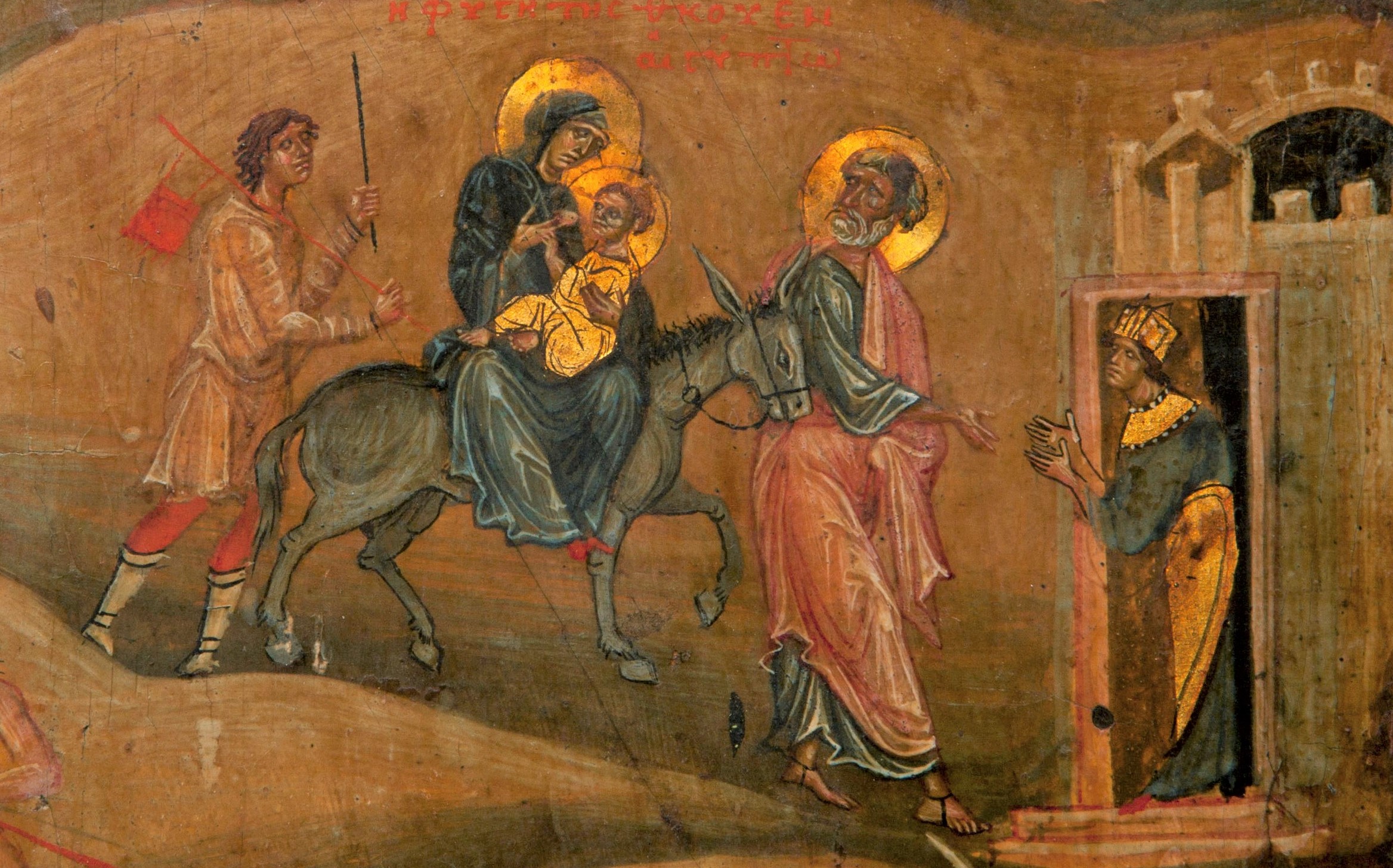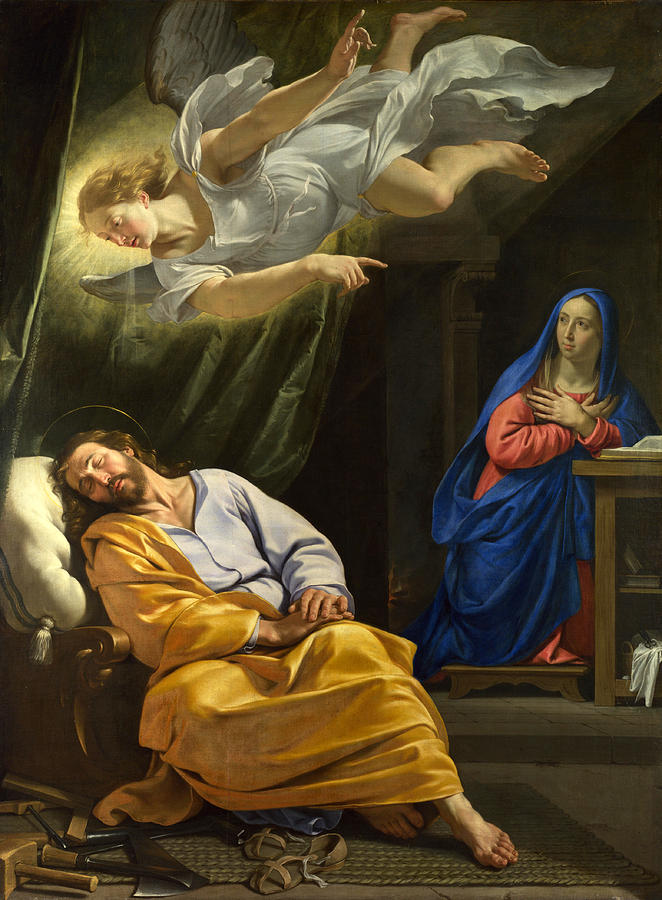
St Josemaria Escriva calls St Joseph “our father and lord”. We can learn much from this great saint and entrust all our needs to him. In this meditation we consider how:
St Joseph was chosen by God from all eternity to be the spiritual father of Jesus and the guardian of the Holy Family
God gave St Joseph special graces and virtues for his mission
Like Our Lady, St Joseph is a model of all the virtues and we have much to learn from him
St Joseph was the greatest saint after Our Lady
St Joseph is a most powerful intercessor, as attested by St Teresa of Avila, Pope Pius XI and Pope Francis, and we can entrust all our needs to him, assured of being heard
The word Lent comes from the ancient word Lencten, meaning springtime. If we live Lent well we have a true springtime, with new growth in our spiritual life. In this meditation we consider how:
In Lent we accompany Jesus in his forty days of prayer and fasting in the desert.
We respond to his invitation, if we want to be his disciples, to deny ourselves, take up our cross daily and follow him.
We can choose something from each of the three traditional areas of prayer, fasting and charity.
If we live Lent with generosity, we will be much closer to God on Easter Sunday than we were on Ash Wednesday.
In the Nicene Creed we profess our belief that the Church is one, holy, catholic and apostolic. In this meditation we pray about the first of these four “marks of the Church”, its unity. We consider that:
Christ founded only one Church
He prayed in the Last Supper for the unity of the Church
The Church is one because of her source, her founder and her soul
The Church is one because she professes one faith, has one celebration of worship and has one government
St Irenaeus writes about the unity of the Church at the end of the second century
The ecumenical movement works to bring about the unity of all Christians in the one Church of Christ
We all face difficulties in life: sickness and pain, the loss of loved ones, problems in work and in relationships, financial worries, temptations to sin, etc. Our tendency is to complain about them and thus lose their great value. In this meditation we consider how:
In the lead-up to Christmas, the liturgy reminds us repeatedly of the important role of St John the Baptist, the precursor of Jesus in preparing the people to receive him. In this meditation we consider:
The similarities between the annunciations by the archangel Gabriel to Zechariah and Mary of the birth of a child
The importance of John’s role as the last and greatest prophet to announce the way of the Lord
John’s virtues of detachment from comforts and humility that make him so efficacious in carrying out his role
John’s efficacy in announcing Christ to two of his own disciples: John the Evangelist and Andrew
Our own mission of making Christ known to the people of our day
We all love the parable of the Good Samaritan, but how well do we live out its message? In this meditation we use Pope Francis’ commentary on the parable in his encyclical Fratelli tutti to see the many lessons it contains and to suggest practical ways of putting these lessons into practice.
With God and Christian values being pushed more and more out of our laws, culture and lives, people agree that the world is not in a good place. But what can be done to change this? In this meditation we use texts of the Second Vatican Council, St John Paul II, St Josemaria and Edmund Burke to consider how:
Christ sent twelve apostles out to the whole world and they transformed the Roman Empire
Society is transformed through man, through each person
God will do the work but he needs us to help him
We begin by struggling for holiness
We can help parents to bring up their children in faith and values
We can help politicians, journalists, teachers and others to have good values
We can join political parties, professional associations and pro-life groups
One of the most powerful and most loved devotions is the Rosary. In this meditation we use St John Paul II’s Apostolic Letter “Rosarium Virginis Mariae”, by which he introduced the Luminous Mysteries in 2002, to come to a deeper understanding of the Rosary so that we can say it better. We consider how:
The Rosary unites us with the liturgy
The Rosary, in addition to being a Marian prayer, is essentially centred on Christ
The Rosary is a contemplative prayer
The repetition of Hail Marys is an expression of love