Tag Archives: penance

The springtime of Lent


The word “Lent” comes from the Anglo-Saxon word “Lencten”, meaning springtime. If we live Lent well, we have a true springtime in our spiritual life. In this meditation, we situate our Lenten discipline in the context of three events in Our Lord’s life, each of which teaches us something about Lent:

  • His 40 days of prayer and fasting in the desert, after which he rejected the temptations of the devil. If we live our Lenten life of prayer, fasting and charity well, we will be stronger in resisting temptations.
  • His passion and death, borne out of love for us. They invite us to be generous in our Lenten penances out of love for him.
  • His ascension into heaven, where he goes to prepare a room in the Father’s house for us. Our Lenten discipline will help to make up for our sins and speed us along the way to heaven.
Lessons from the Passion

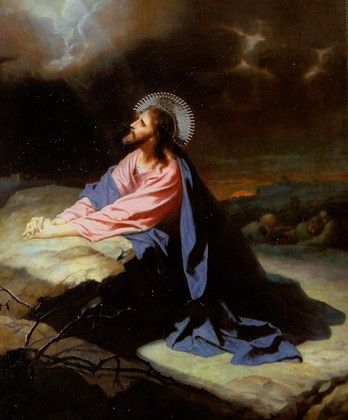
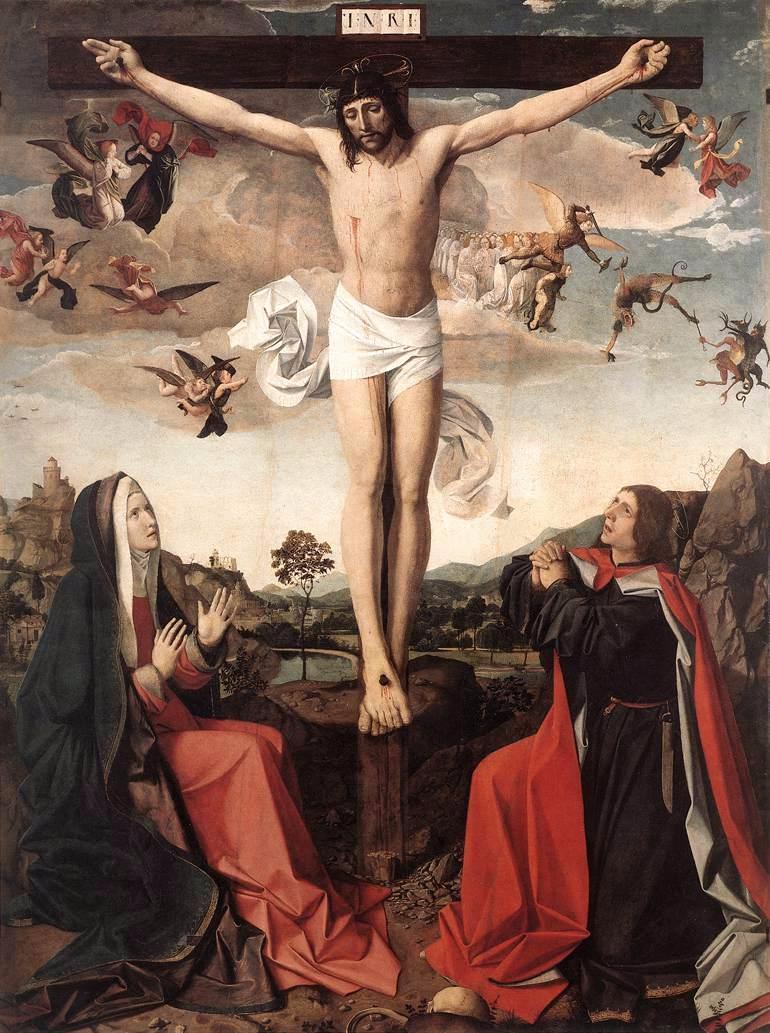
Jesus teaches us so much in  his suffering and death on the Cross. In this meditation we use the events from his prayer in the Garden of Gethsemane, through his death on Mount Calvary, to his Resurrection on Easter Sunday to consider some of these lessons:

      • Our weakness, like that of Peter, in denying Christ through sin
      • The importance of prayer to avoid falling in temptation
      • The value of our penances, when we consider Christ’s scourging and crowning with thorns
      • Christ’s fortitude in rising again after his three falls
      • His love in suffering on the Cross when they were tempting him to come down
      • Christ’s gift to us of his Mother to be our own
      • Christ’s Resurrection, which follows his suffering and our own

Journey to Bethlehem

The road to Bethlehem

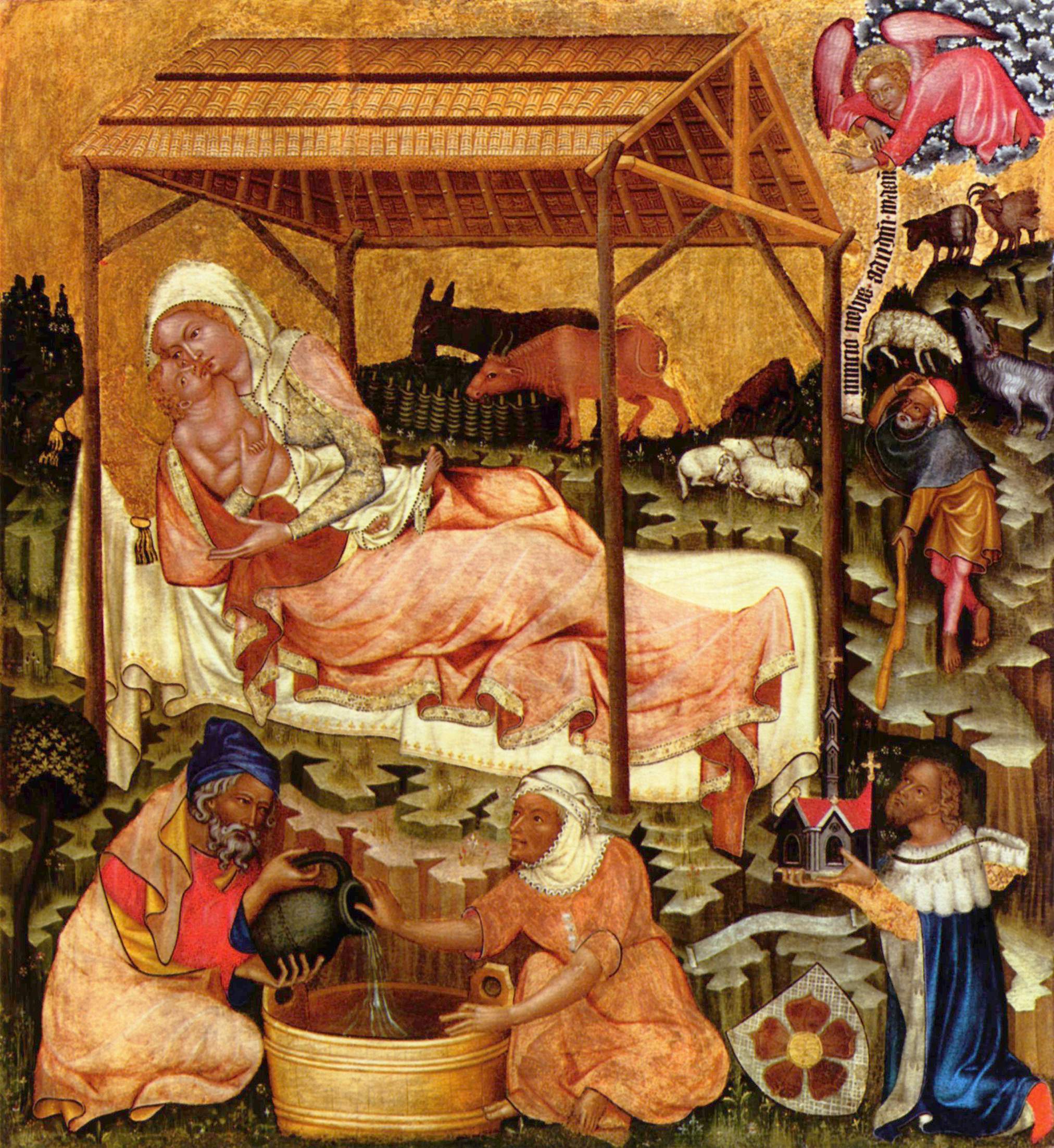
In this season of Advent we can learn much about how to focus our spiritual life from Our Lady, as she makes her way to Bethlehem with St Joseph. Among the lessons Mary teaches us are:

      • Docility to the will of God
      • Self-giving to others
      • Bearing hardships without complaining
      • Purifying our soul through penance
      • Life of prayer
      • Bringing Christ to others

The first Christmas gift

Christmas is a time for giving gifts. The wise men brought gifts to the baby Jesus, but the first Christmas gift was Jesus himself, a gift from the Father to all of mankind. In this meditation we use texts of Scripture to consider how we can live Advent like Our Lady and St Joseph, the shepherds and the wise men, to show our gratitude to Jesus by:

  • Growing in our life of prayer in all its forms, especially through meditation on the Scripture passages that refer to Christ’s birth
  • Living a life of sacrifice, as has been traditional in Advent, to clean out the stable of our soul and make it welcome to receive Jesus
  • Giving of ourselves to those around us, for what we do to them we do to Jesus
  • Preparing well for four comings of Jesus: at Christmas 2000 years ago, at the end of time, everyday when he comes into our life in different ways, and when he comes to call us to eternal life with him.

The Pharisee and the Tax Collector

the Pharisee and the Publican

The parable of the Pharisee and the tax collector praying in the temple has much to tell us. In this meditation we use texts of Scripture, St Augustine, St John Chrysostom and St Josemaria to reflect on how:

  • We too should endeavour to pray before the Blessed Sacrament whenever possible
  • The Pharisee’s pride and self-righteousness make his good deeds of less value
  • We should never judge others the way the Pharisee did
  • The tax collector teaches us the great importance of humility
  • We should regard all our virtues and good deeds as gifts from God.
  • We are all sinners and we should ask God to forgive us, as the tax collector did
  • We should do penance for our sins and go regularly to confession

The cross, pathway to heaven

Our Lord invited us, if we would be his disciples, to take up our cross and follow him. A few days later he manifested his divinity to three of his apostles in the Transfiguration, as we will see him in his glory in heaven.  In this meditation, using texts from Scripture, St Josemaria and St John Vianney, we consider how:

  • Our pathway to heaven passes by way of the cross
  • The cross is truly a blessing, in that it purifies us and it can be offered up for others
  • The cross is a manifestation of God’s love for us
  • When we have a cross to bear, we can think that Christ suffered more than we ever will, and that many others are suffering more than we are
  • If we love the crosses life brings, we will find joy in them and they will unite us with Christ
  • We should seek the cross too through mortification and penance

Christ the Sower

Christ gives us the parable of the sower, who sows seed on different types of soil, yielding different results. In this meditation we consider how we can all be, at times, each of the different types of soil:

  • The path, when we turn a deaf ear to Christ’s promptings
  • The rocky ground, when we begin something with enthusiasm but then give up because it was too hard
  • The thorns, when we are drawn away from God by the attraction of the world
  • The good soil, when we respond to God with generosity and yield a rich harvest


Sacrament of joy


The parable of the prodigal son is mercy perosnified.

The sacrament of Penance is truly a sacrament of joy, a sacrament of mercy. In this meditation we use texts of Scripture, St John Paul II, Pope Francis and St John Vianney to consider how:

  • Christ gave the sacrament of penance  to the Church on the very evening of his Resurrection
  • The sacrament corresponds to deep-seated human needs
  • We obtain many benefits when we go to Confession
  • We do well to receive the sacrament frequently
  • We should do all we can to take others to Confession


Sorrow for our sins

Face of Christ in the Passion


We all sin, but how much true sorrow do we have? In this meditation we use texts of St Augustine, the Roman Catechism, St John Vianney and St Josemaria Escriva to consider three aspects of penance: the virtue of penance, or sorrow for our sins, the sacrament of penance and the acts of penance, striving to:

  • Contemplate the sorrowful face of Jesus, as St Peter did
  • Consider how many sins we have committed and how our sins hurt Our Lord more than those of people who are distant from him
  • Foster a true purpose of amendment, a sincere resolution to try hard not to sin again
  • Go regularly to the sacrament of penance and invite others to go with us
  • Be generous in our acts of penance, of self-denial, as we have been generous in committing sins

Sorrow for our sins

When on Good Friday Jesus looked at Peter after his three denials, Peter went out and wept bitterly. We too have offended Christ by our sins and we can learn from Peter to be sorry for them. In this meditation we consider:

  • The value of contemplating Jesus’ sorrowful face in order to be moved to true sorrow for our sins
  • The spirit of penance: contrition with the resolution to try not to sin again
  • The sacrament of penance: the importance of receiving this sacrament of mercy regularly and of helping others to do so
  • The acts of penance: why we need them and what we can do to make up for our sins