Category Archives: Meditations

Meditations on the Catholic faith by Father Flader

Sanctifying ordinary life

The holy family of Jesus Mary and Joseph in his workshop

The Holy Family in Nazareth, in Joseph’s workshop

The Holy Family of Jesus, Mary and Joseph spent thirty years doing ordinary tasks in the home of Nazareth to teach us the sanctifying value of ordinary things. In this meditation we pray about how we too can find God in our day-to-day activities. We use texts of St Josemaria Escriva, the Second Vatican Council and St John Paul II to consider how:

  • The Holy Family is our model
  • We can find God not only in church and in our prayers, but in everything we do
  • St John Paul II called St Josemaria “the patron saint of ordinary life”
  • There are various means we can use to find God in our daily activities
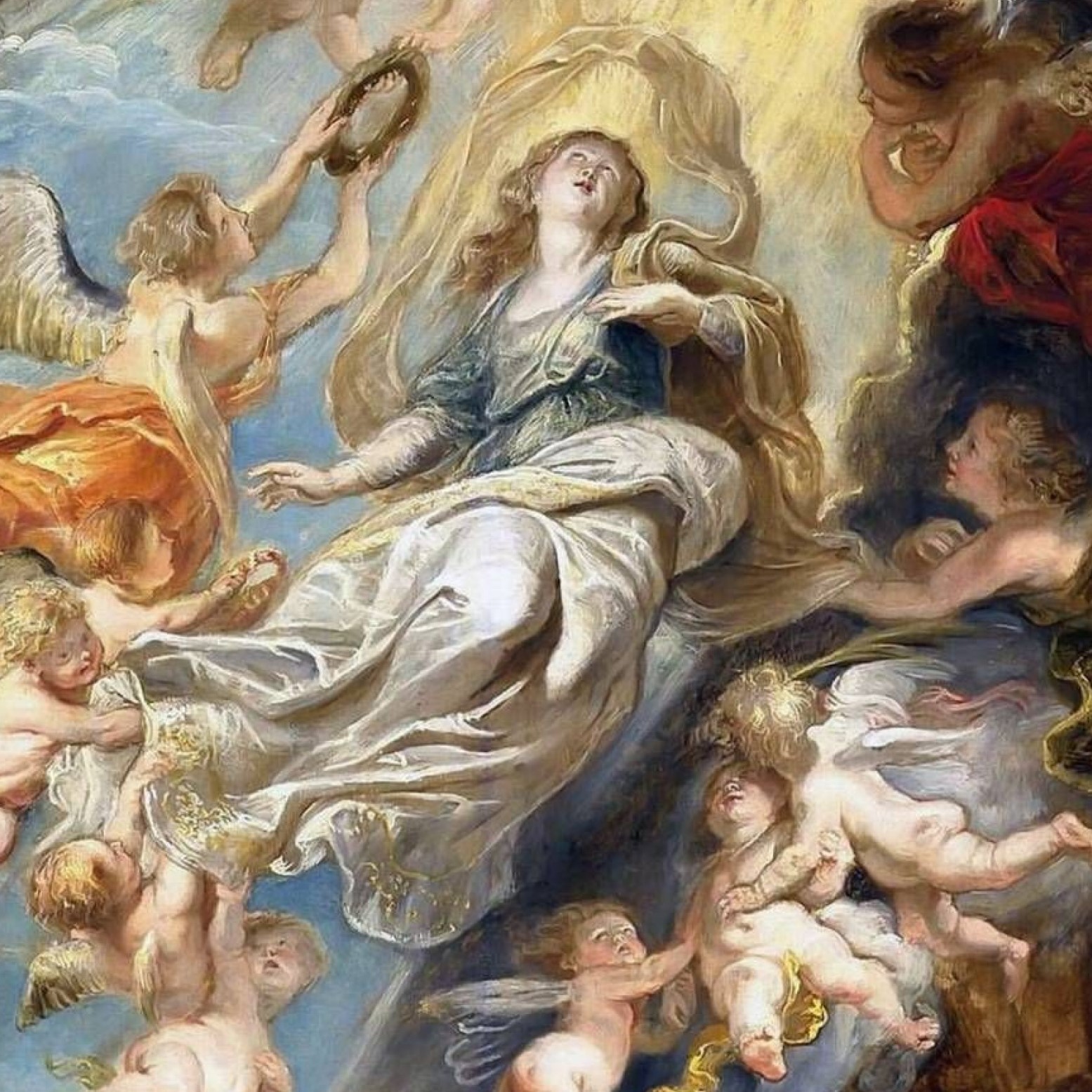
Lesssons of the Assumption of Mary

Assumption of Mary Rubens

A depiction of our Lady’s Assumption painted by Rubens

Our Lady’s Assumption into heaven teaches us many lessons. In this meditation we use a text from the book of Revelation to consider some of these lessons:

  • Mary sanctified herself in her ordinary life in the home, as we do
  • She is the new Ark of the Covenant, bringing the very Word of God into the world
  • Mary is rewarded for her humility and docility to God
  • Mary’s Assumption fills us with hope for our own resurrection to eternal life
  • Mary had many crosses on the way, as we will
  • The woman in the book of Revelation overcomes the attacks of the devil, as we must
  • Mary’s intercession for us is all-powerful

The Pharisee and the Tax Collector

the Pharisee and the Publican

The parable of the Pharisee and the tax collector praying in the temple has much to tell us. In this meditation we use texts of Scripture, St Augustine, St John Chrysostom and St Josemaria to reflect on how:

  • We too should endeavour to pray before the Blessed Sacrament whenever possible
  • The Pharisee’s pride and self-righteousness make his good deeds of less value
  • We should never judge others the way the Pharisee did
  • The tax collector teaches us the great importance of humility
  • We should regard all our virtues and good deeds as gifts from God.
  • We are all sinners and we should ask God to forgive us, as the tax collector did
  • We should do penance for our sins and go regularly to confession

Loving God in the Heart of Jesus

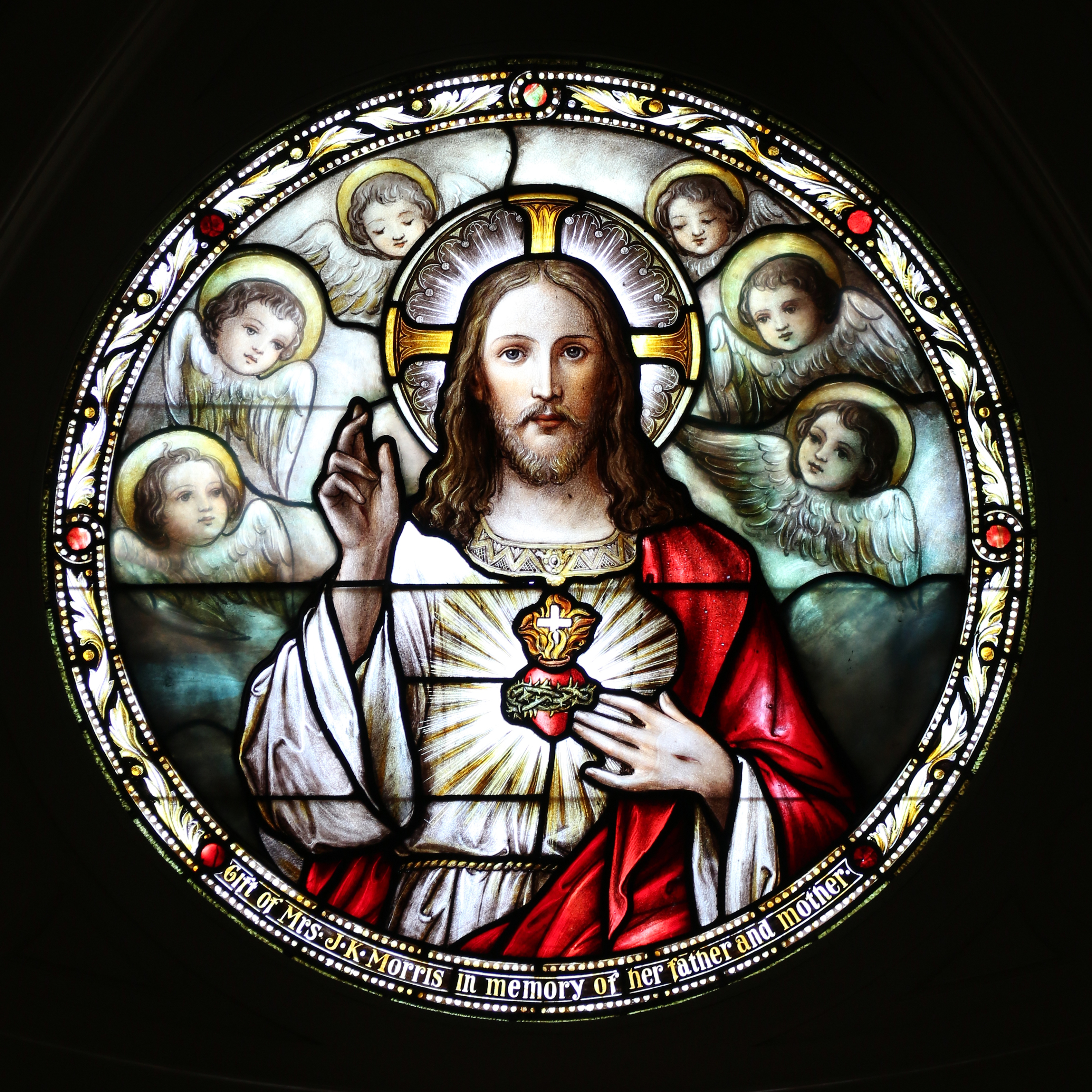
A depiction of our Lord, showing His most sacred Heart

The Most Sacred Heart of Jesus

Our Lord has loved us to the last drop of his blood and water, and he invites us to love him in return. In this meditation we use texts of Scripture, St Margaret Mary Alacoque and St Josemaria Escriva to consider how:

  • St John writes in his Gospel that Jesus has loved us “to the end” and in his first Letter that “God is love”.
  • Our Lord asked St Margaret Mary for the feast of the Sacred Heart, in order to increase love for him throughout the world.
  • St Margaret writes in a letter about the three streams that pour out from the heart of Christ.
  • We can grow in love for God and our neighbour in practical ways.

Mary, our Mother

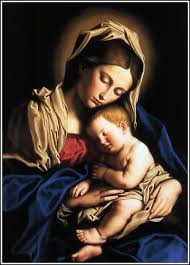
From the moment she conceived Jesus in her womb, Mary became the mother of his Mystical Body, the Church, and of all of us. In this meditation we use texts from Sacred Scripture, Pope St John Paul II, Pope St Paul VI, St Josemaria Escriva and St Bernard to consider how:

  • Mary gave birth to Jesus and to the Church in Bethlehem
  • From the Cross at Calvary, Jesus gave Mary to St John, and to each one of us, as our mother
  • Because of the pain she suffered when Christ’s body was pierced with a lance and the Church flowed from his side on Calvary, Mary has a special love for all her children
  • Mary exercises her motherly role in many moments related in the Scriptures
  • We can show our gratitude to Our Lady and honour her through such practices as the Rosary, the Angelus, Marian aspirations and pilgrimages

Loving to the end

Jesus washes the feet of the Apostles

Jesus washing his Apostle’s feet

In his account of the Last Supper, St John tells us that Christ loved his disciples “to the end”. After washing the apostles’ feet, Our Lord gave them the new commandment to “love one another as I have loved you.” In this meditation we use texts of Scripture, St Josemaria Escriva and Mother Teresa of Calcutta to consider how:

  • We should have a spirit of service, first with those in our family and then with others
  • We are helped to live charity if we see Christ in all those around us
  • If we live charity well, others will see Christ in us and know that we are his disciples
  • We can live charity, as Christ does, by forgiving those who have hurt us, by our patience and kindness, and by loving everyone, especially those we find most difficult

Souls of prayer

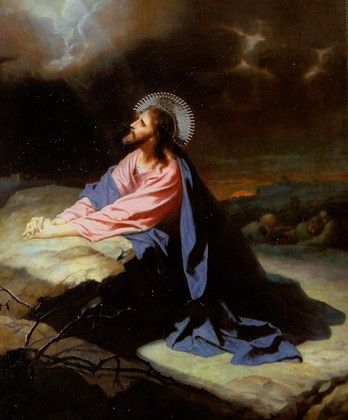
The agony in the garden of Gethsemane

Our Lord praying

Christ spent forty days praying and fasting in the desert before beginning his public ministry and he prayed intensely in Gethsemane on beginning his Passion. In this meditation we use these examples of Our Lord and texts of St Josemaria Escriva to consider:

  • How and why we should be souls of prayer
  • The different forms our prayer can take
  • The need to have regular times set aside each day for prayer
  • How to pay attention and fight distractions in our prayer
  • The need to persevere in our habit of prayer throughout our life

The value of temptations

Christ sends Satan away after His temptation

A depiction of Christ’s temptation

We all experience temptations. They are a consequence of original sin and of our being subject to the world, the flesh and the devil. But in addition to being sources of sin, temptations can also be sources of sanctity. In this meditation we consider:

  • Christ’s temptations in the desert, which are very similar to our own
  • Christ’s example in overcoming the temptations
  • How we can use temptations to grow in sanctity and human virtues
  • What we can do to overcome temptations

Living the Beatitudes

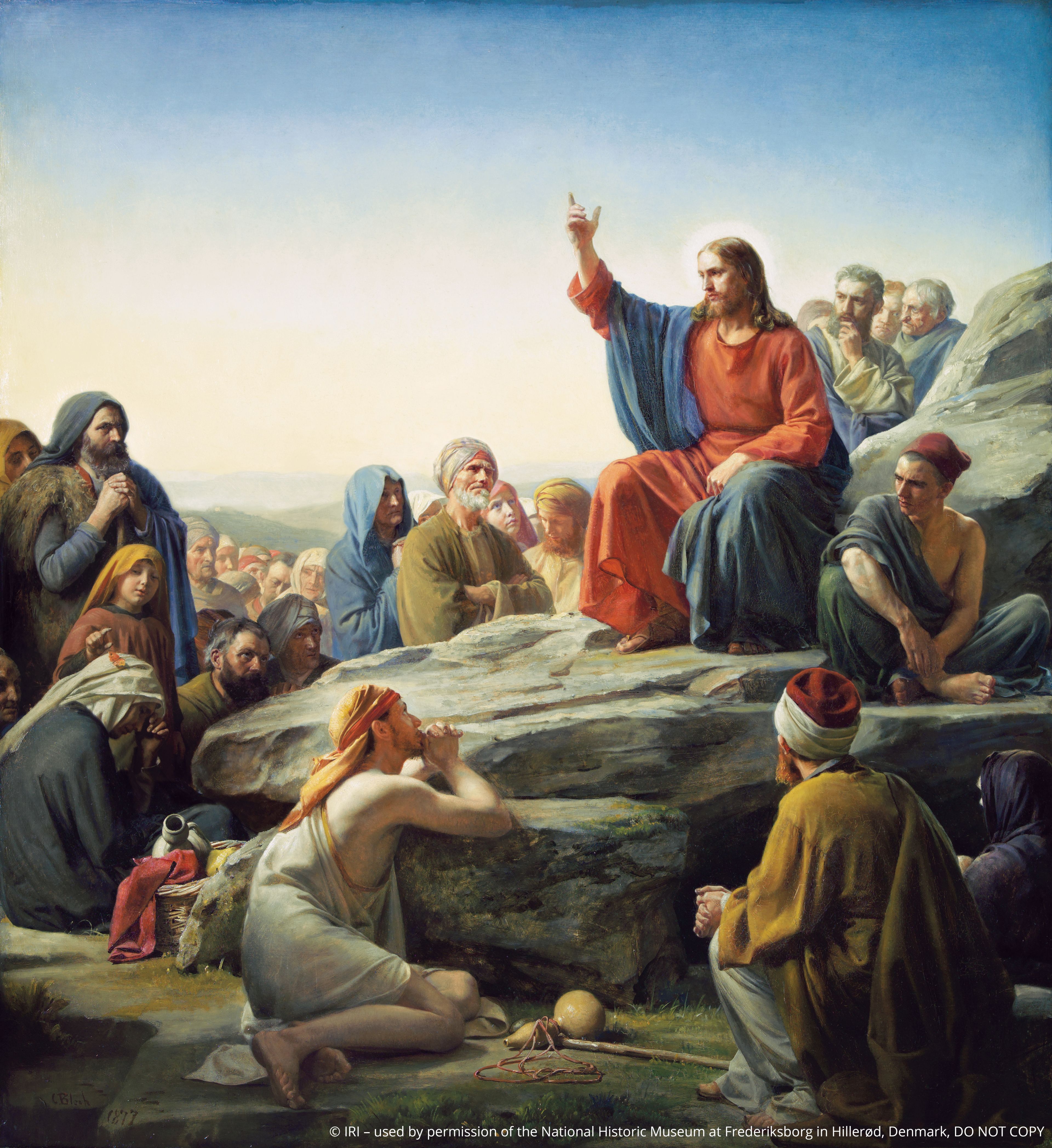
The Sermon on the Mount

Our Lord, Jesus Christ, giving the beatitudes during the Sermon on the Mount.

In the Sermon on the Mount, Jesus gave us the eight Beatitudes, eight attitudes or dispositions that should characterise every follower of Christ, of whom they are a portrait. In this meditation we consider how:

  • The Beatitudes should characterise every Christian
  • They contrast notably with the ways of the world
  • If we live them well we will grow in holiness
  • We will show the world a better way to live
  • We will find the true happiness we are seeking

Beginning a new year

At the beginning of another year, we use texts of Scripture and St Josemaria Escriva to pray about what our goals and resolutions might be, especially that most important goal of growing in holiness so as to deserve eternal life with God in heaven. We consider:

  • The very reason for our existence is to know, love and serve God on earth in order to be happy with him forever in heaven
  • We should make good use of every moment of the day since we don’t know how long God has given us on this earth
  • Many souls depend on the life of each of us
  • Holiness is a struggle, a battle, against the world, the flesh and the devil
  • We should have the determination of athletes, who discipline themselves and train hard to win a crown that fades, whereas ours is imperishable: eternal life.