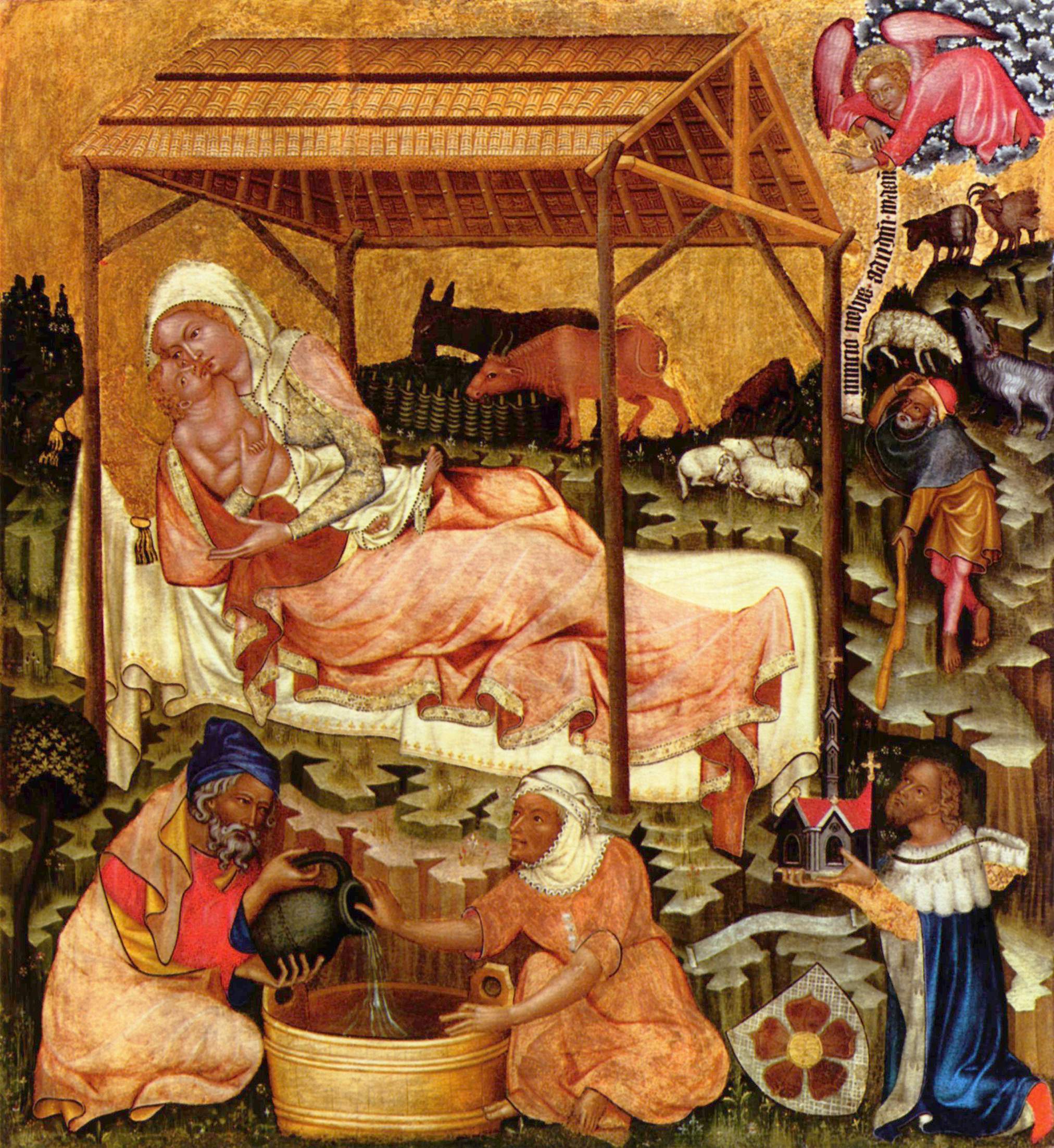
From the manger in Bethlehem, the infant Jesus has much to teach us. In this meditation we use texts of Scripture to consider seven of his lessons, which are all important for our spiritual life:
The call to holiness is lived out in all circumstances of life, one of the most important of which is marriage and family. When they see their marriage as a path to holiness, couples grow in holiness themselves and they help their children and other families to discover the beauty of their own vocation. In this meditation, we consider how:
The example of parents is a powerful influence on their children.
Parents should be open to life and to see each child as a gift from God, entrusted to them to be formed in virtues and faith and prepared for heaven.
Parents help their children at all stages, from infancy to adolescence to adulthood in which they will form their own family.
When the parents become grandparents, they have a vital role in the formation of their grandchildren.
The more families there are growing in virtue and holiness, the better society will be.
One of the great revelations that Jesus gives us, especially in the Sermon on the Mount, is that God is not just the Supreme Being, the creator of the universe, but truly our loving Father. In this meditation we use texts of Scripture and of St Josemaria Escriva to consider what God’s Fatherhood means for us:
Our Father God has a plan, a mission for each one of us
He loves us dearly and we want to love him in return
He invites us to talk with him in prayer, including the Our Father
He respects our freedom, allowing us to sin but always welcoming us back
He disciplines us, as all good fathers do with their children
He watches over us in his loving providence, moving us always to trust in him and not be anxious
God has known and loved each one of us from all eternity. Then, in the fulness of time for us, he created us out of love and invited us to enter into a loving relationship with him. In this meditation we use texts of Scripture, St John Paul II and St Josemaria to consider how:
To love God more and reflect Christ better, we must struggle against the wounds of original sin: pride, self-centredness, lack of willpower and disordered desire for pleasure
We grow in love for God through prayer, penance and the sacraments
The more we love God, the happier we will be and the more able to draw other souls to God
We tend to take our faith in God for granted when we find it easy to believe in God, but we should not forget that faith is a great gift that can be lost. In this meditation we use texts of the Catechism of the Catholic Church and of Scripture to consider how:
We should accept all the truths revealed by God and taught by the Church, especially those we find difficult to believe or to practise, because God is truth himself
Faith is a gift that God can suddenly give someone, and that can be lost if it is not nourished and protected
Faith is the foundation of our whole spiritual life
We should ask God for the faith to “move mountains”
We are all aware of the commandment to love God with our whole heart, soul, mind and strength. But what exactly does this mean? Is it having feelings of love, telling God we love him, having many devotions? In this meditation we use texts from Scripture, St John Paul II, St Josemaria, St Alphonsus Liguori, and St Francis de Sales to consider how:
Love for God is not having feelings of love, telling God we love him, avoiding sinning, or having many devotions, although these are aspects of love
St Alphonsus tells us that loving God is essentially doing his will
Love for God is doing our ordinary work with love
Love for God is loving our neighbour, starting with the members of our family
Our Lord has loved us to the end, to the last drop of his blood and water, and he invites us to love him in return. In this meditation we use texts of Scripture, Pope Francis’ encyclical Dilexit nos, St Margaret Mary Alacoque and St Josemaria Escriva to consider how:
Christ’s Sacred Heart is a true human heart, loving all mankind, and each individual, with infinite divine love.
When Christ has loved us so much, we should strive to love him in return.
Our Lord asked St Margaret Mary for the feast of the Sacred Heart, in order to increase love for him throughout the world.
We can learn much from Pope Francis’ beautiful encyclical on the Sacred Heart Dilexit nos (2024)
Love for the world and for material things hinders our love for God
We can grow in love for God and our neighbour in practical ways.
In the Annunciation, Our Lady receives a message from the angel Gabriel announcing that she is to have a son through the Holy Spirit. She immediately accepts. We learn from her to be docile to the promptings of the Holy Spirit, who acts in us through his seven gifts. In this meditation we consider how:
There are seven gifts of the Holy Spirit, which we received in Baptism
The gifts differ from the virtues
The gifts were first announced in the prophecy of Isaiah
The gifts help us to respond to the action of the Holy Spirit in our soul
Each one of the seven gifts helps us in a particular way
For Easter Sunday 2005, Pope Francis wrote a beautiful homily to be read in the morning Mass in St Peter’s Square by the celebrant, Cardinal Angelo Comastri. Less than 24 hours later, God called Pope Francis to eternal life with him. In this meditation, we use the text of that homily to consider how:
Mary Magdalene, and the apostles Peter and John, all ran in their eagerness to find Jesus
We too should be eager to find Jesus, who waits for us in our prayer, in the Scriptures, in Mass, in our workplace, in our family…
We should welcome Jesus into our heart so that we, in turn, can share him with others
Jesus’ resurrection from the dead fills our life with the hope that we too can overcome the difficulties and crosses that weigh us down
The ultimate object of our hope is eternal life with God in heaven
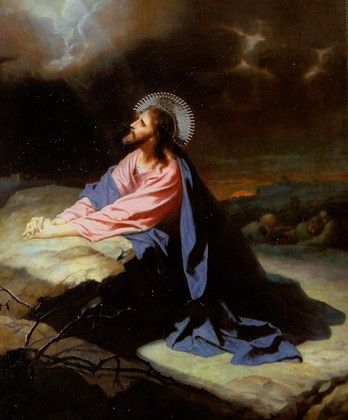
Jesus teaches us so much in his suffering and death on the Cross. In this meditation we use the events from his prayer in the Garden of Gethsemane, through his death on Mount Calvary, to his Resurrection on Easter Sunday to consider some of these lessons:
Our weakness, like that of Peter, in denying Christ through sin
The importance of prayer to avoid falling in temptation
The value of our penances, when we consider Christ’s scourging and crowning with thorns
Christ’s fortitude in rising again after his three falls
His love in suffering on the Cross when they were tempting him to come down
Christ’s gift to us of his Mother to be our own
Christ’s Resurrection, which follows his suffering and our own